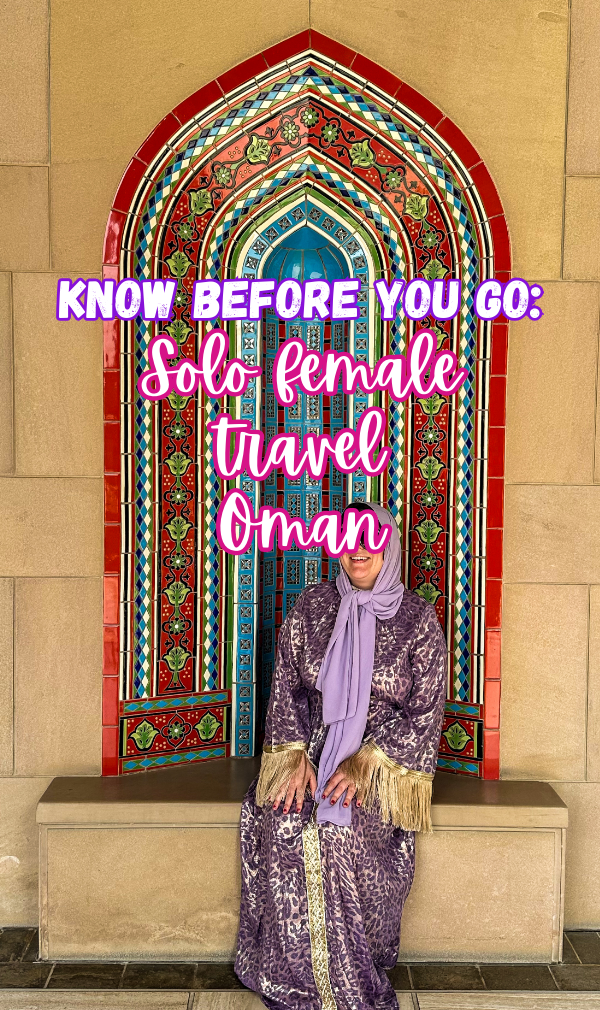
If there’s one region I feel continually drawn to, it’s the Middle East. Maybe that’s because it has continued to challenge some of my own misconceptions about what I’ve heard and read. It’s an easy mishap for people to conglomerate the entire region into one, and that often leads to stereotypes of being unsafe, horrible to women, and nothing more than a warzone.
But like any region in the world, the Middle East is made up of several countries, all with their own laws, traditions, and customs. You won’t find the same vibe solo traveling through Lebanon as you would find solo traveling in Saudi Arabia, despite geographically being close. And you won’t find the same vibe in Oman as anywhere else in the region, or better yet, the world.
Oman consistently ranks as one of the “safest” countries in the Middle East, often used as a common ground for negotiations for more fickle surrounding countries. I had always been drawn to Oman after hearing accounts of how safe and naturally beautiful it is, so in 2026, I finally booked a ticket to Muscat and found out for myself.
If you’re planning a trip to Oman, whether you’re a solo female traveler or not, here are a few key things to know before visiting this incredible country.
Is Oman safe for solo female travelers?
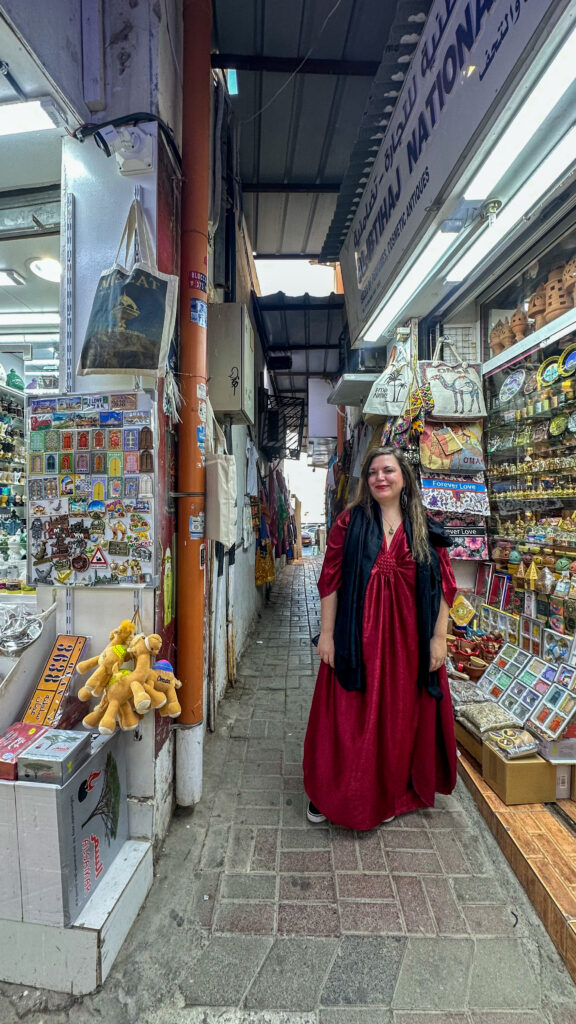
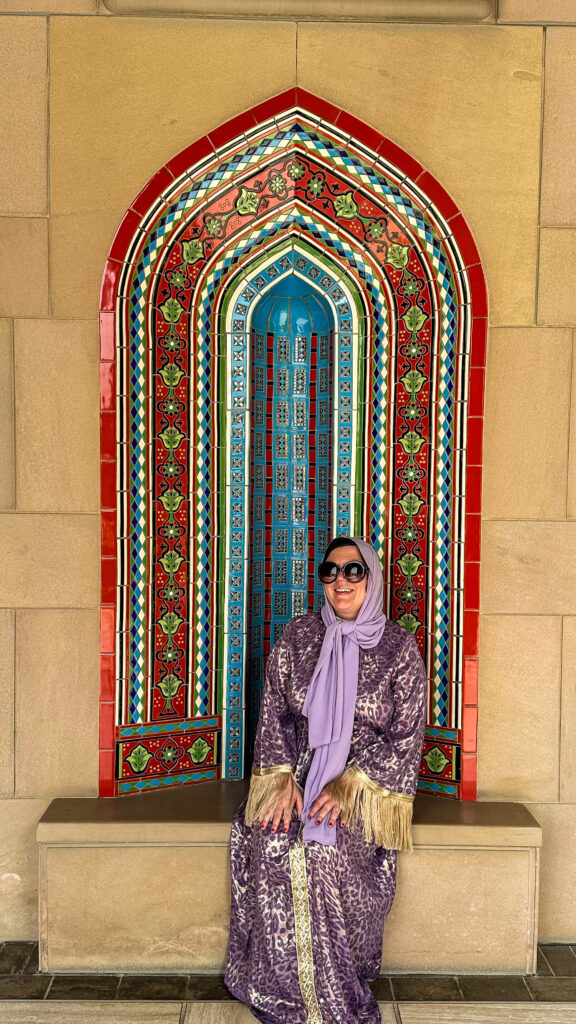
Understandably, safety is always one of the top questions when it comes to solo traveling anywhere, but especially the Middle East. As far as Oman goes, it is generally considered safe for all travelers, including solo women.
Men did not seem to bother me while I was here, however, it is worth noting that after posting about my time in Oman on Instagram, a few of my female followers reached out to say they had an awkward/uncomfortable interaction or two. Being asked about whether you’re married and have kids is unfortunately expected in Oman, and might be met with some skepticism if you say you are not married and do not have, or even want, children. With that in mind, lying is a beautiful concept. I never feel the need to cut my nose to spite my own face when in this situation, and if a man in any country is asking me if I’m married, it’s really no big deal to say, “Yes, and my husband is in the room.” Though I don’t feel these questions in Oman specifically are asked out of the intent to harm, and more out of curiosity since marriage and children is expected in Omani culture from women, use your best judgment when answering.
Aside from an uncomfortable question or two, my time in Oman was very safe. I traveled around the country alone, took several taxis in Muscat (walking in Muscat is not really a thing, as there are no proper sidewalks or paved pathways for pedestrians — this is a commonality in most major cities in the Middle East), and was pretty much completely unbothered.
Something interesting was a woman working at my hotel told me she moved to Oman from Indonesia a few years ago, and she really appreciates how much local authorities take women seriously. She gave me a specific example where if a man bothers a woman in Oman, and she asks him to stop and he does not, if it is reported to police, he will go to jail. Is this an entirely accurate depiction of life in Oman? I cannot be sure as this was just one account, but generally speaking, I would not worry about traveling Oman alone.
What should I wear in Oman as a solo female traveler?
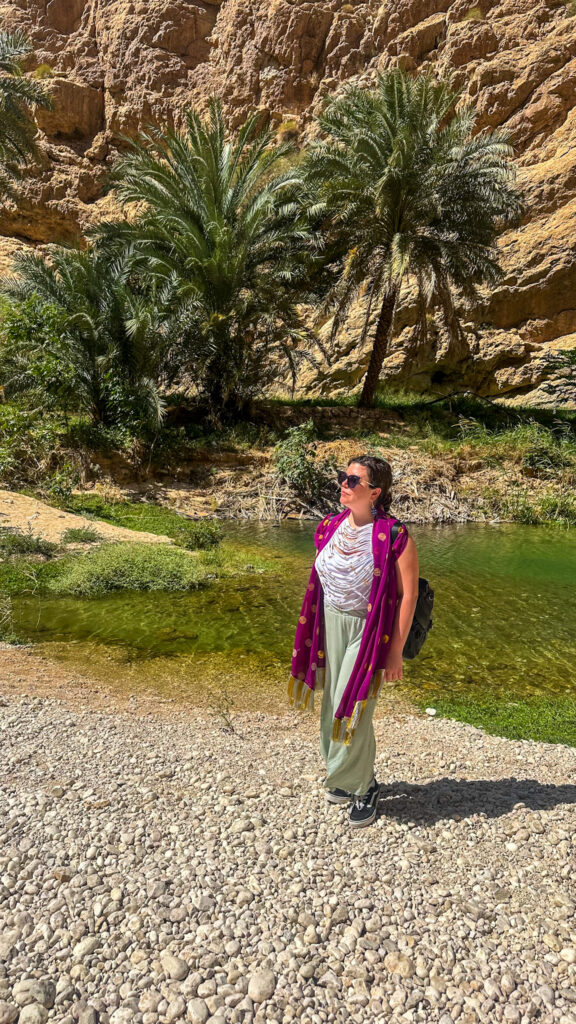
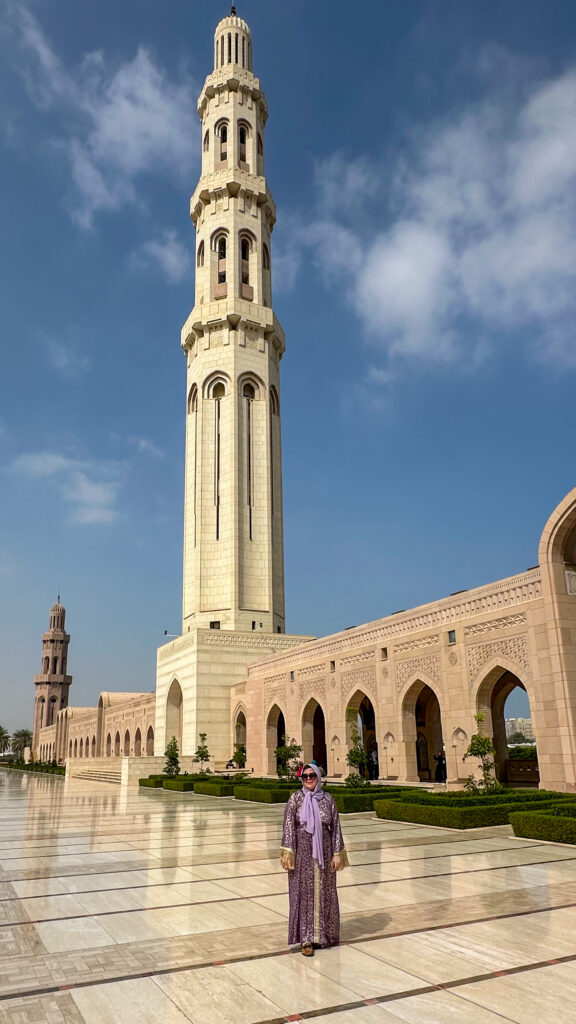
You are probably wondering if you need to completely cover up in Oman. The short answer is no.
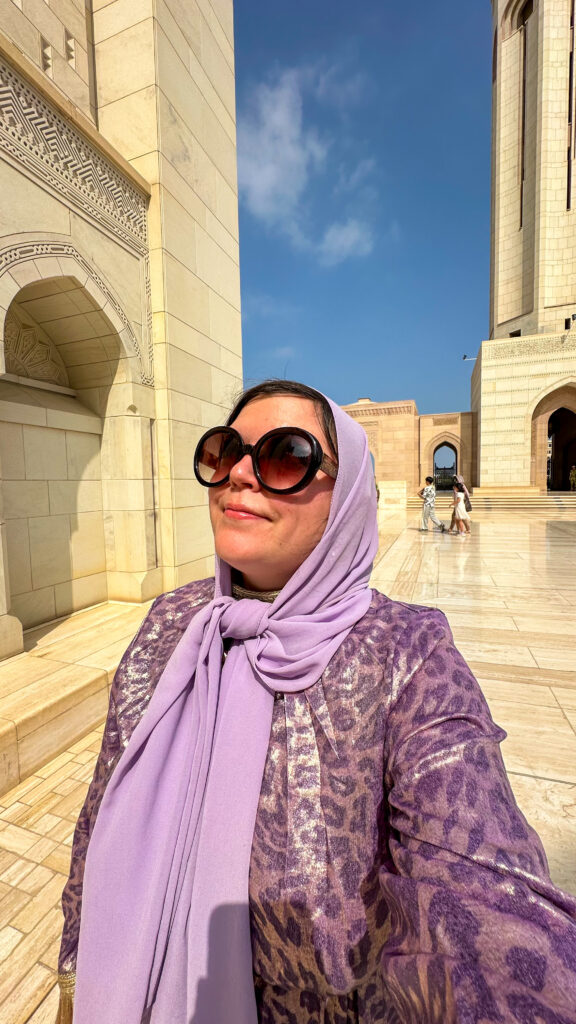
When visiting mosques, you should cover your hair, knees, and shoulders, the same way you would at any mosque in any country in the world. Outside of that, you do not need to cover up in Oman. While I would discourage you from wearing short shorts and crop tops, you can wear flowey dresses that expose your shoulders or knees without a problem. I personally leaned more modest overall, and I kept a scarf around me at all times for both color and just incase I needed it (for example, at the souqs, you don’t technically “need” to cover up, but it is highly recommended).
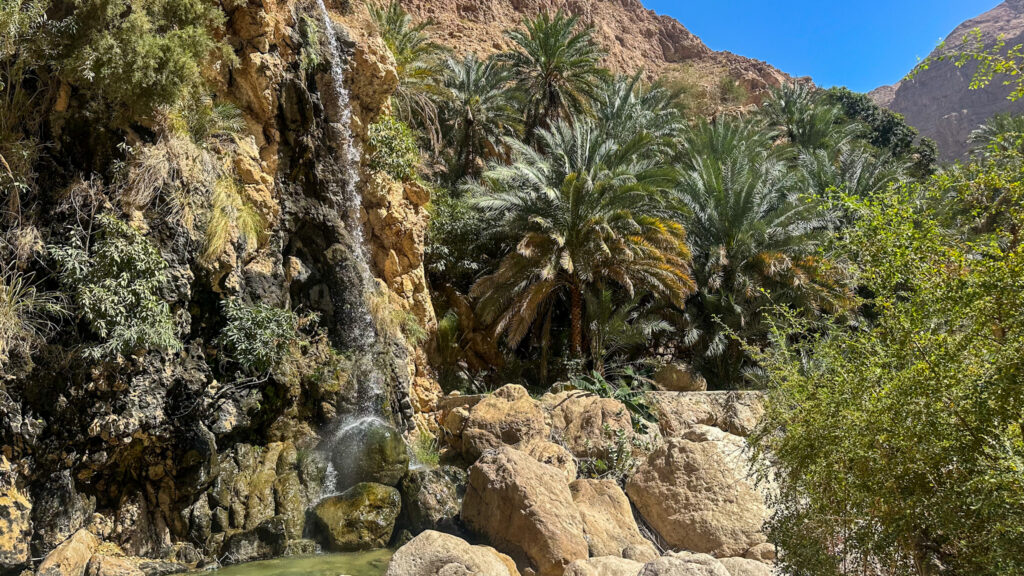
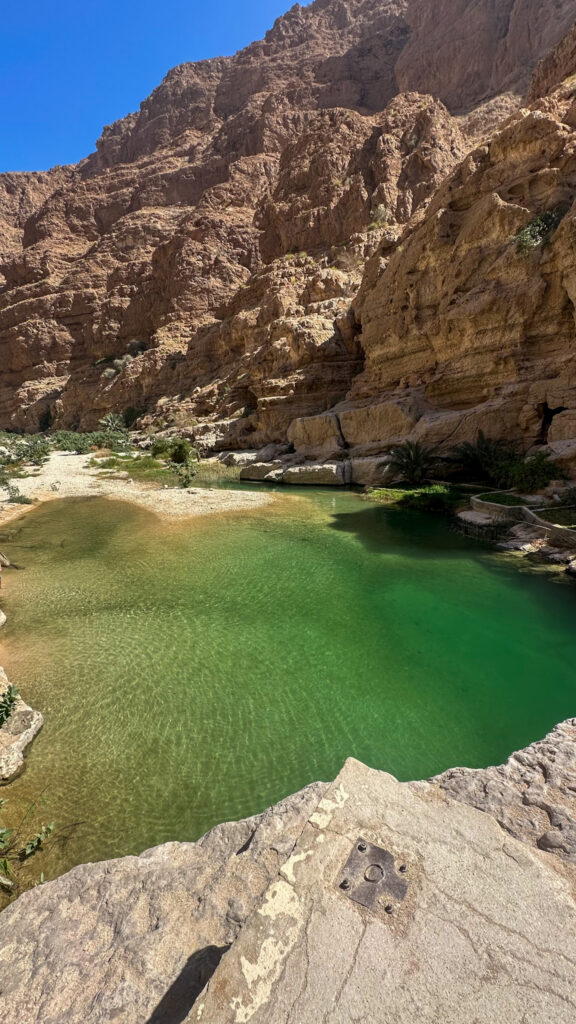
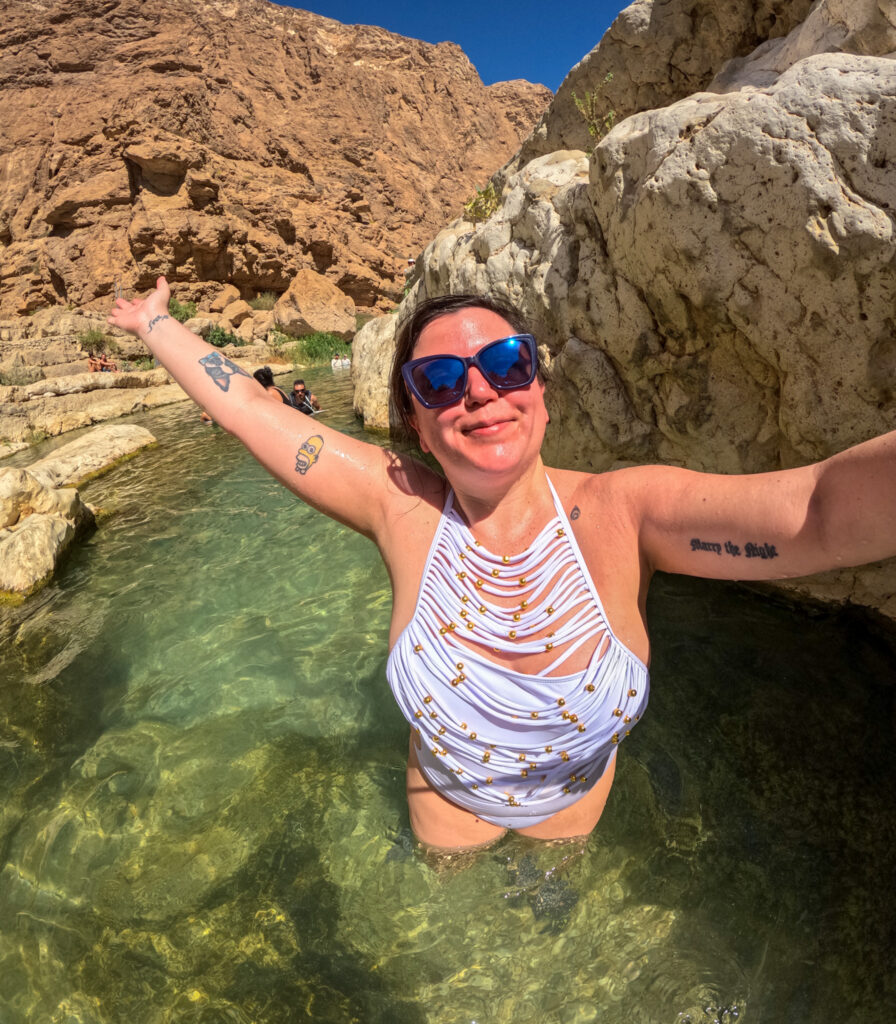
When visiting the wadis around Oman, you’ll see other travelers in swimsuits, even bikinis. However, some wadis specifically ask that you are covered up. I visited Wadi Shab and did not see any signs, and I wore a typical one-piece bathing suit. However, after posting on my Instagram, I received several comments from women in Oman saying that though there were no signs, tourists should still cover up at the wadis.
Local laws and customs to respect
Though in comparison to the rest of the region, Oman might seem more liberal, Oman on a grander scale is still generally a more conservative country.
Some simple but basic rules to keep in mind are do not swear in public (or at all), keep in mind that Oman is extremely clean so make sure to dispose of trash accordingly, and being drunk in public is a serious offense (more on alcohol laws below). Any signs of public affection are illegal, and vaping and e-cigarettes are also illegal.
If you visit Oman during Ramadan, it is illegal to eat or drink during daylight in front of anyone (so expect a lot of businesses to be closed).
What to eat in Oman
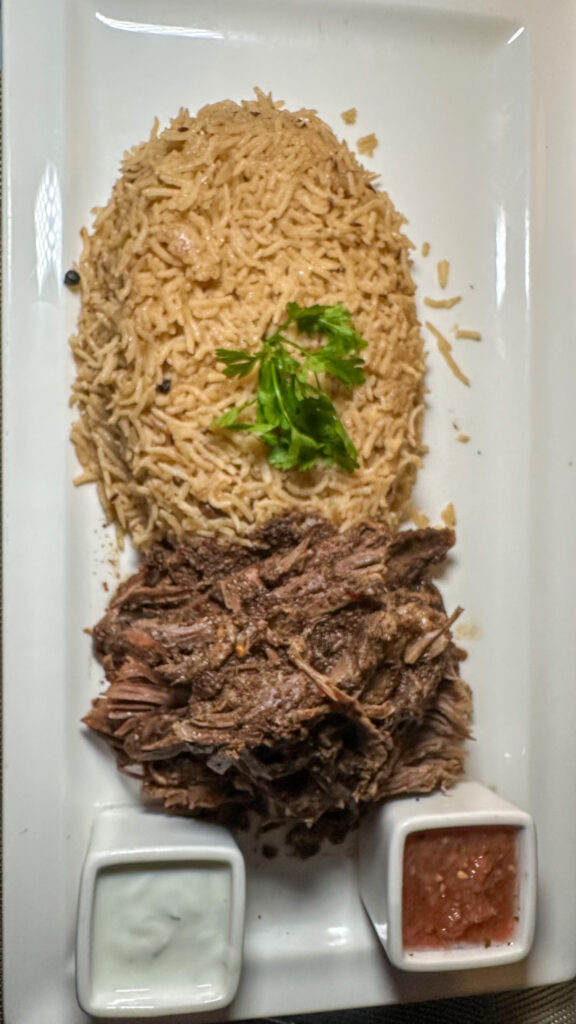
You might not think of Oman as a foodie destination, but food in Oman is pretty incredible. The national dish is Shuwa, a slow-roasted lamb in a fire pit for 48 hours. The result is a tender, flavor-packed fall apart meat, that is commonly served alongside rice and paper thin Omani bread called Khubz Ragag. The best place to get it from in Muscat is Anthony Bourdain-approved Bait Al Luban.
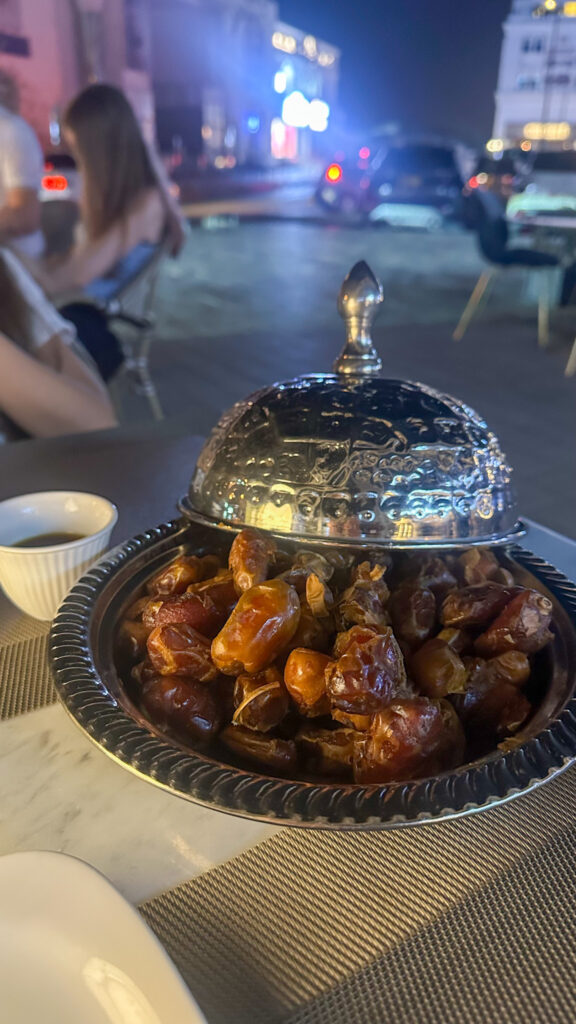
You can also expect to find lots of dips, bean stews, and slow roasted veggies in tomato curry-like sauces. And of course, like most Middle Eastern countries, it’s simply a ritual to end every meal with dates and Arabic coffee or tea.
Is alcohol allowed in Oman?
Alcohol is definitely not the forefront of Omani culture, but that being said, it’s not completely banned. You can buy alcohol at the Duty Free in the airport, and there are licensed bars that are allowed to sell alcohol (most of which can be found in hotels). However, I would not plan to drink in Oman, as it’s really not necessary and alcohol is extremely overpriced and limited. Oman is the last destination I’d think of as a place to party, so though you can find a club or two in Muscat, there are much better ways to spend your time and money.
How do I get around in Oman? Do I need to rent a car?
You’ll see a lot of social media posts claiming you need to road trip Oman or rent a car here. Having a car can definitely be helpful, however, it’s not entirely necessary.
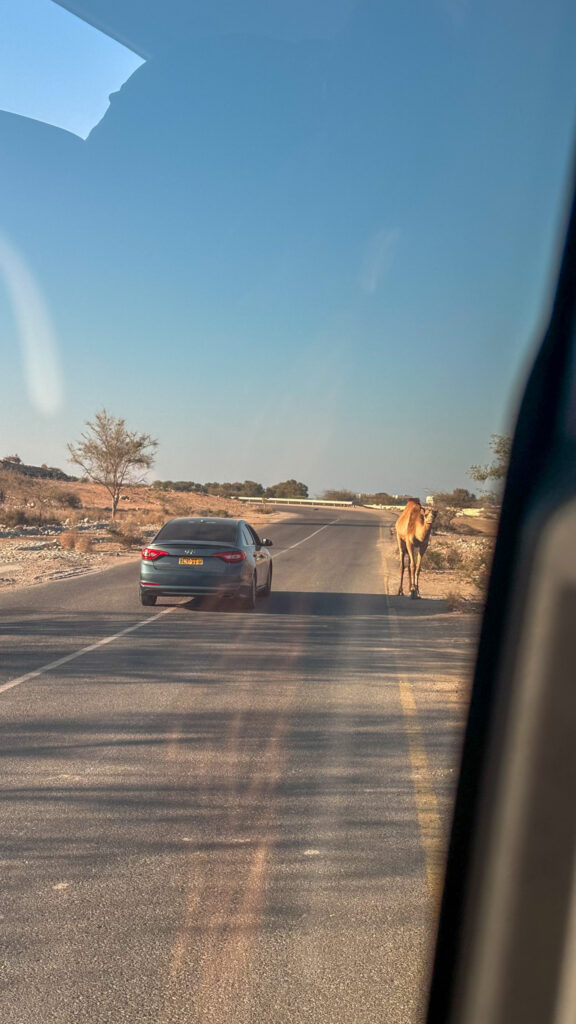
You can get around by booking day tours or hiring private drivers. That being said, that is a much more expensive way to get around than by renting a car, which from the airport, can be as low as $15/day. I personally did not rent a car, but the roads are paved nicely and drivers are not particularly aggressive, so in hindsight, I would have felt fine driving here. It’s up to you and your comfort levels.
Is Oman expensive?
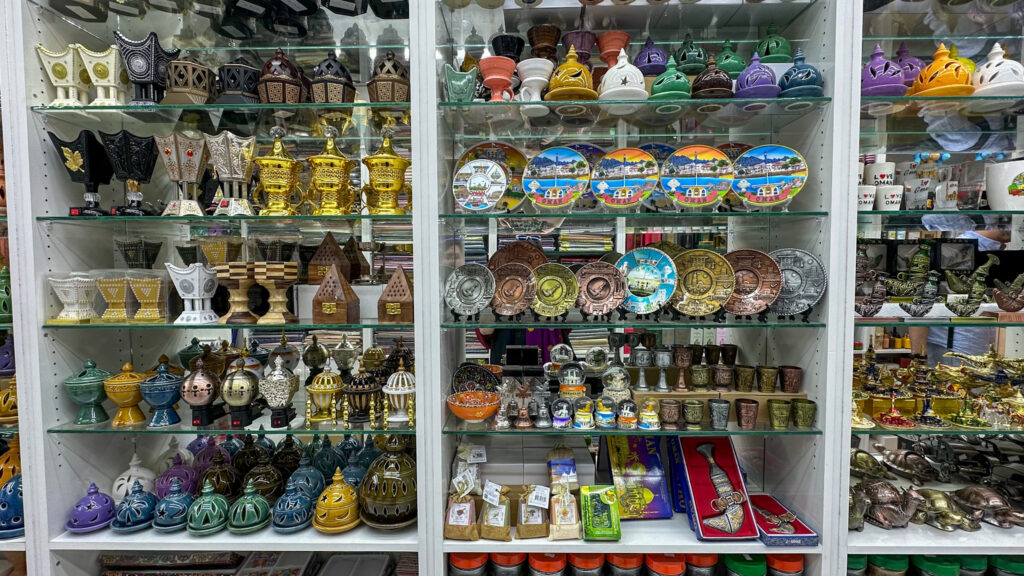
To address a major elephant in the room: how much does a solo trip to Oman cost? Unfortunately, the rumors are true: Oman is generally expensive.
The local currency is Omani Rial, and 1 Omani Rial equals 2.60 US Dollars. However, things are priced similarly to the way they would be priced in the US. So, for example, a coffee might run you 3 Omani Rial, similarly to how a coffee in the US might be $3. The difference is that 3 Omani Rial equals $7.80. These costs add up quite quickly, and though I was only in Oman for five days, I easily spent over $1,000, excluding flights (and that’s coming from someone who is usually pretty good at traveling on a shoestring budget).
Best day trips out of Muscat
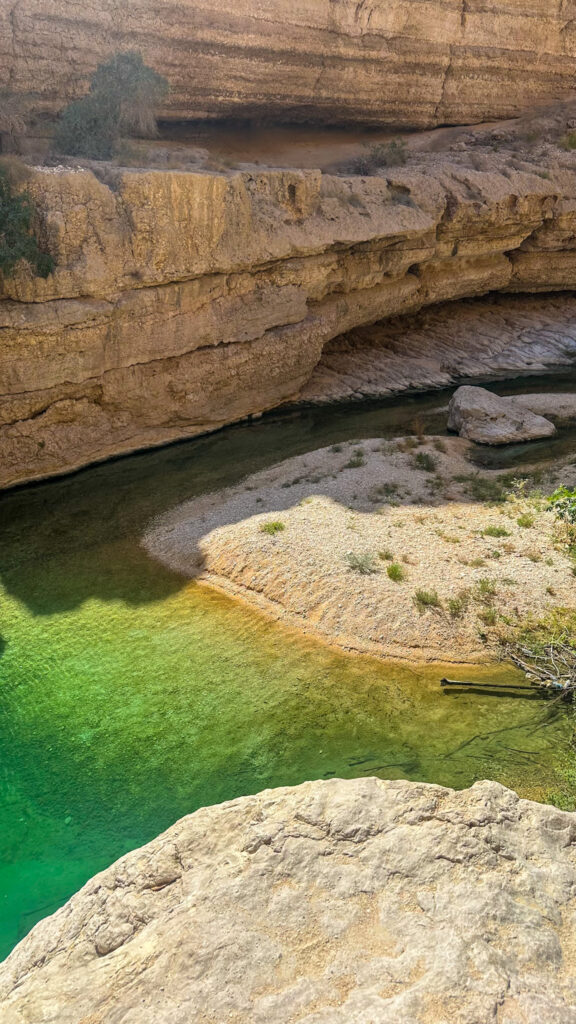
It’s safe to assume if you’re flying into Oman, you’re flying into Muscat. Muscat is definitely worth seeing, but Oman’s real beauty lays in the countryside. For some incredible day trips to different parts of the country, check out:
- Damaniyat Islands: Best for snorkeling with sea turtles and seeing uber clear water while out on a boat
- Wadi Shab: One of the most popular hiking and swimming day trips from Muscat (I went here and would highly recommend it)
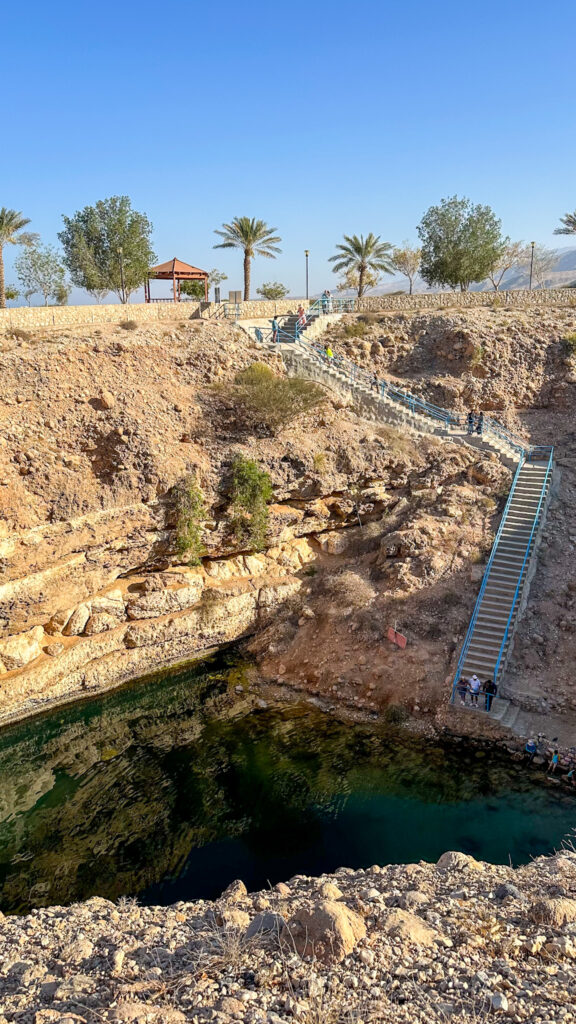
- Bimmah Sinkhole: This is a common add-on to a Wadi Shab tour. You’ll want to try to get here when the sun is still out, because as soon as the shadows hit, the water is FREEZING! Overall, a dip in the sinkhole is super refreshing and picturesque.
- Nizwa: One of the oldest cities in Oman, dating back to over 4,000 years, Nizwa is best known for its fort, the Nizwa Fort.
DISCLAIMER: I might make a small commission from some of the links throughout this article, but the price is the same for you. This helps keep my business running so I can continue to provide free travel tips!