
Some people dream of seeing those three iconic pillars at Angkor Wat, and some couldn’t even point to Cambodia on a map. It’s a destination that feels well-versed in the travel community, but has never quite hit that “mainstream” popularity, likely in part because of its very popular neighbors, Thailand and Vietnam.
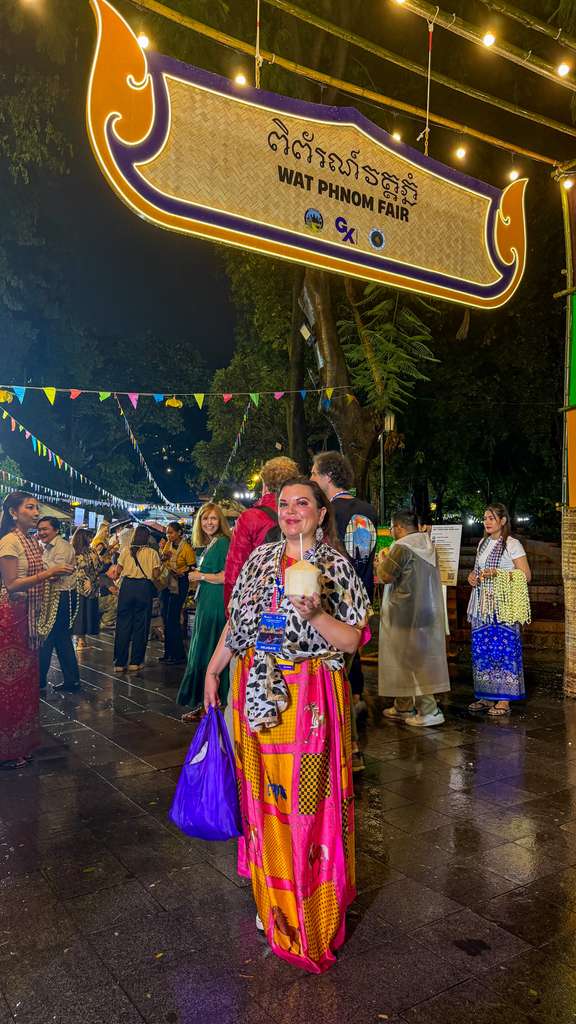
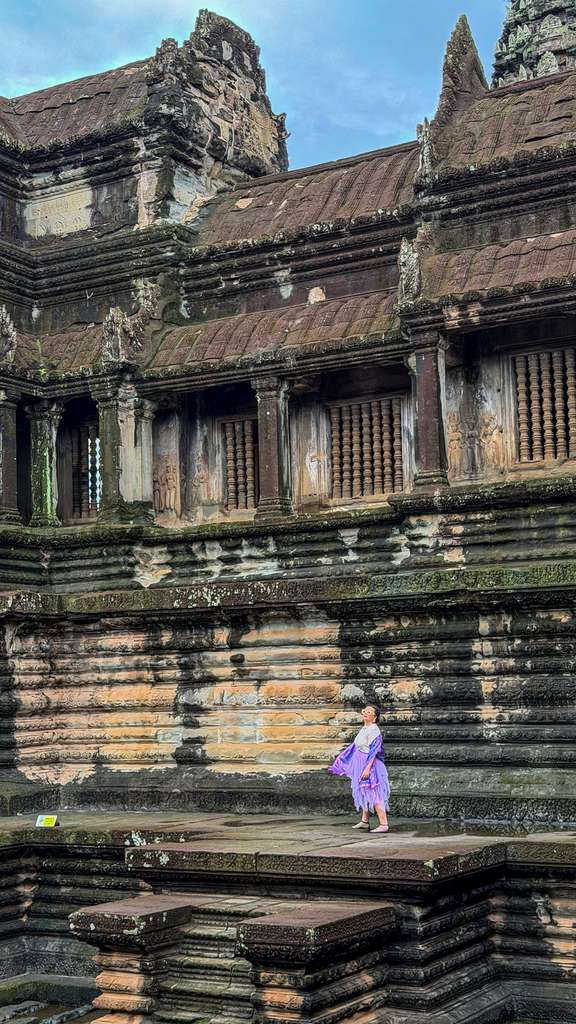
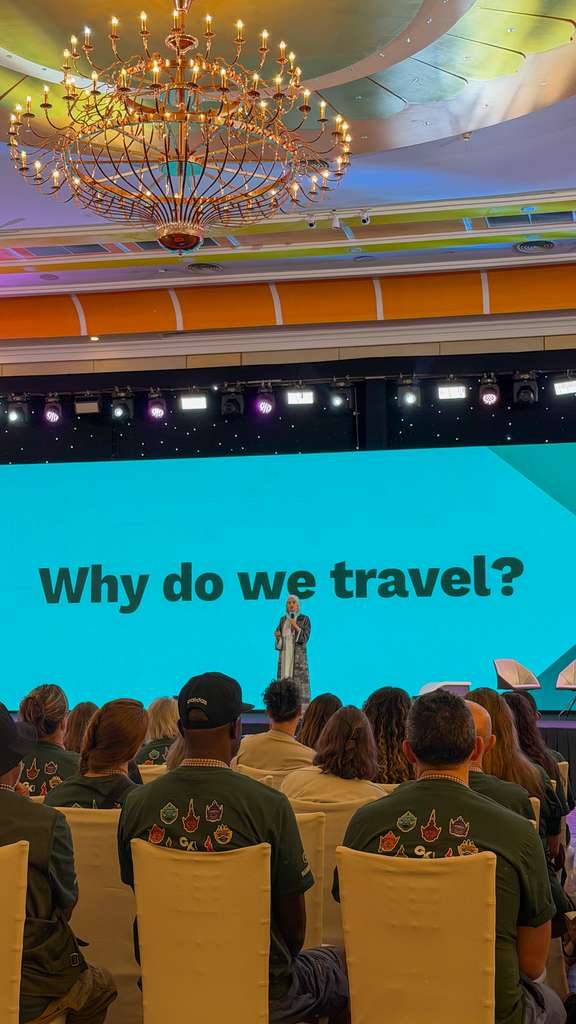
I’m lucky enough to have now visited Cambodia twice, and it’s a destination I don’t think I’d ever get sick of returning to. My first trip solely comprised of “ticking Angkor Wat” off the list, and the entire experience, though memorable, felt rushed. This time, I’d return with G Adventures for their annual Gx Summit held on World Tourism Day, where Planeterra partners gave us a peak into local communities in Cambodia. The trip, which was six days in length, which was just long enough to give me a real feel of Cambodian culture.
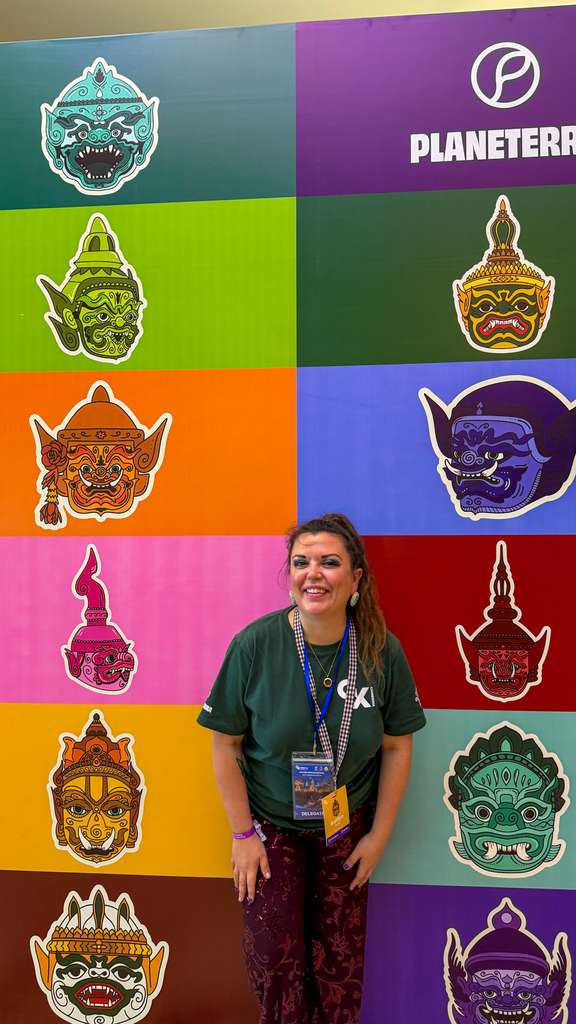
If you’re planning a visit to Cambodia, which you absolutely should, don’t make the same mistake I made and only stick to Angkor Wat. Instead, here are some tips to get the most out of your Cambodia trip, including how to support some of the same local communities I interacted with on my G Adventures trip.
Getting There
Cambodia has two major airports: Phnom Penh and Siem Reap. Phnom Penh has far more international connections — for example, I flew from Guangzhou, China — whereas Siem Reap primarily connects to other cities in Southeast Asia. Understandably so, many choose to combine Cambodia with other nearby countries such as Laos or Thailand. In that case, you can also look into either day-time or overnight bus and van routes. While this journey is undoubtedly a fraction of the cost compared to flights, the journey is much longer. Plus, some Cambodian border posts, specifically land-crossing ones, close in the middle of the night, so you’ll need to make sure the timing is strategic.
Visas
Whether you need a Cambodian visa or not greatly depends on which passport you hold. As an American passport-holder, a visa was required, and was available ahead of time as an eVisa or simply on arrival. The cost was $30, and I went for a visa on arrival, which was a smooth and fast process. Make sure to have some cash handy.
Regardless of needing a visa or not, everyone who visits Cambodia needs to fill out an e-arrival form, which only takes about five minutes and must be completed online.
Where to go
Now, where exactly in Cambodia should you visit? As I’ve already said, don’t make the mistake of only sticking with Angkor Wat. Instead, give Cambodia at least five days and check out some other spots in the country.
Phnom Penh
My trip started in Phnom Penh, where I stayed at the Rosewood Phnom Penh. I highly recommend this hotel for a variety of reasons: the location is great, but the rooms are massive and have floor-to-ceiling windows with great views of the Cambodian capital. The food onsite is also fantastic, with the included breakfast being one of the best hotel breakfasts I’ve ever personally experienced.
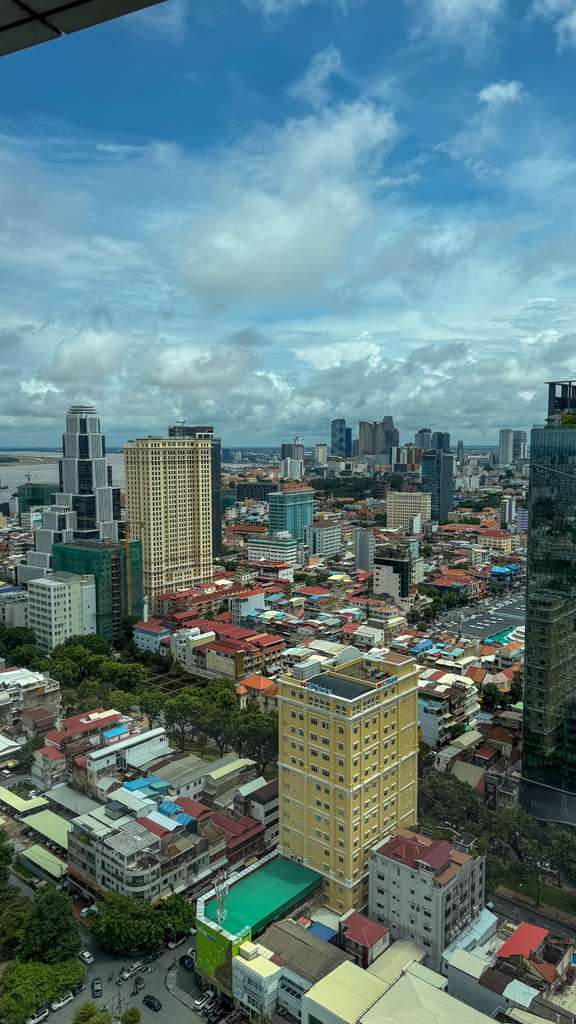
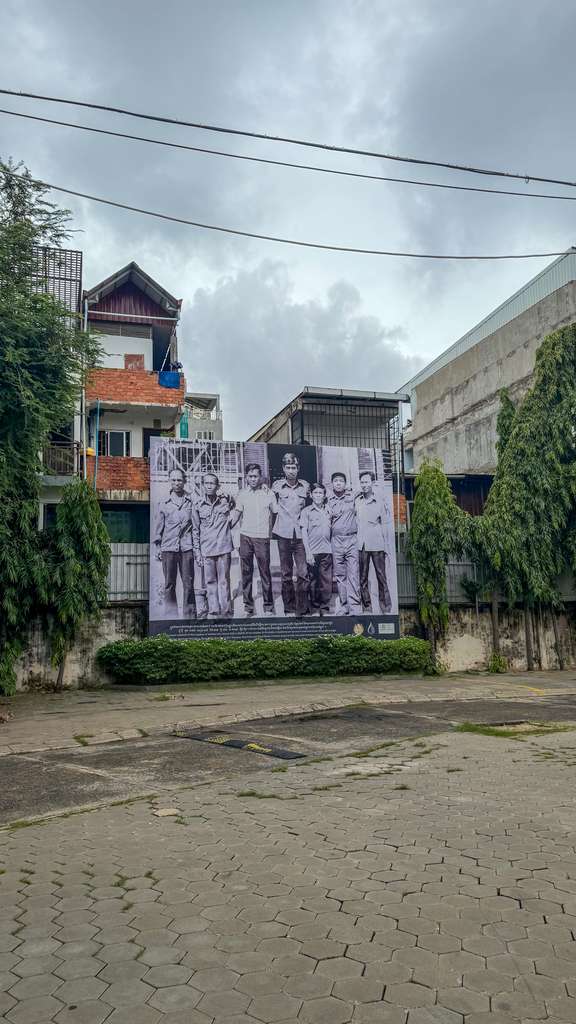
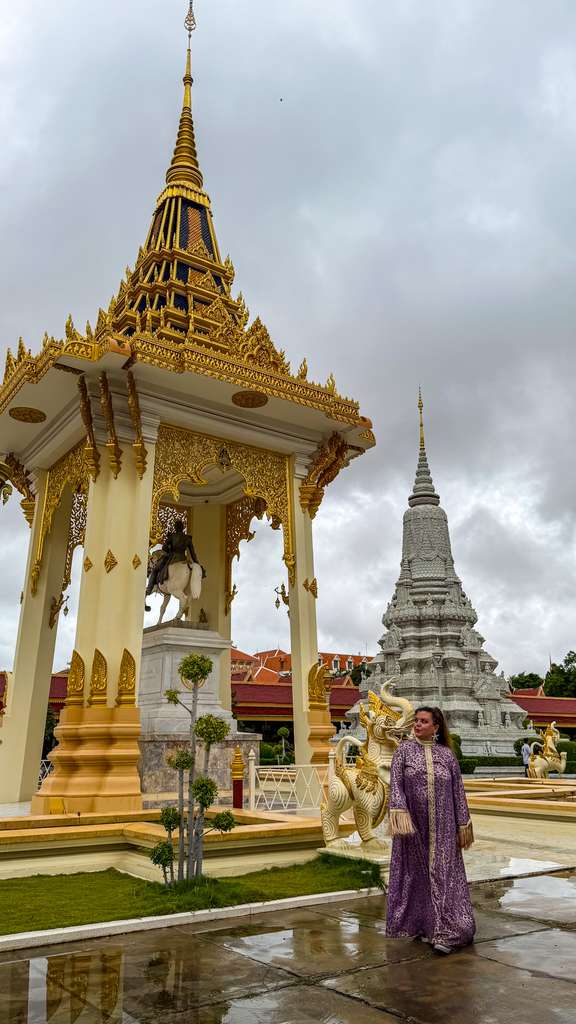
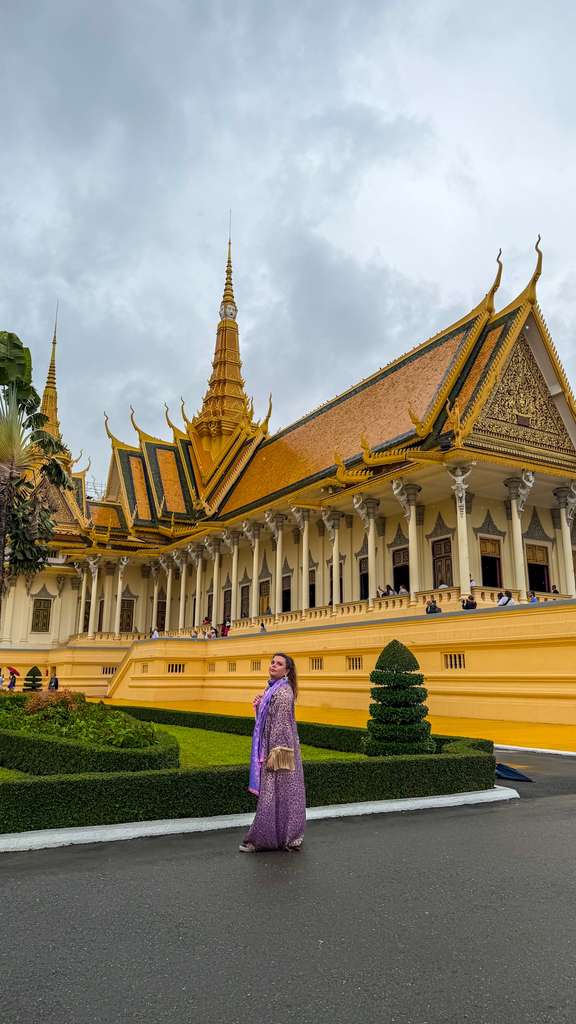
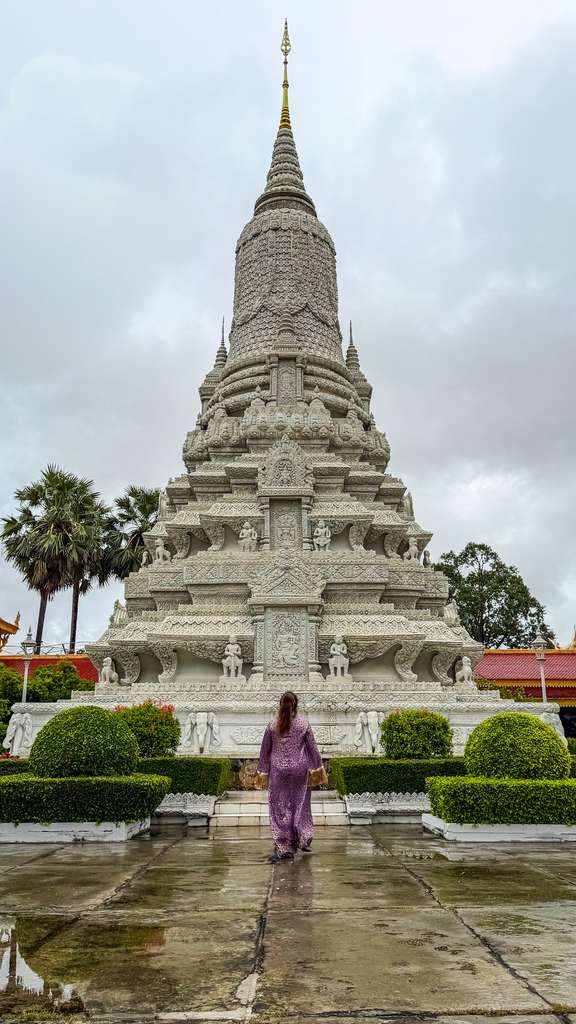
In Phnom Penh, what’s much more important than where you’ll stay is what you’ll see. The Royal Palace of Cambodia is enough of a reason to visit the city, which is home to the King of Cambodia. Comprised of various buildings, keep a look out for some of the baby Buddha statues and golden prang rooftops with pointed spires that create dramatically beautiful architecture. Every corner you turn, there’s more intricate detail to be discovered, and this historic landmark became one of my favorite during my nearly week-long trip.
Cambodia suffered from a horrific genocide, and a visit so S21, a former prison, is a crucial stopping point that should be required for all visitors.
Sambor Prei Kuk
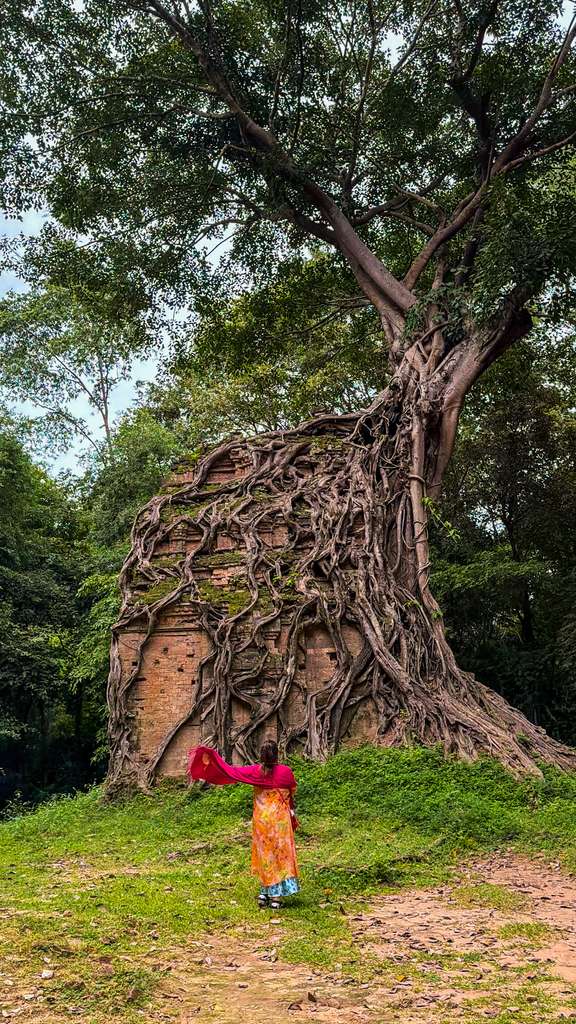
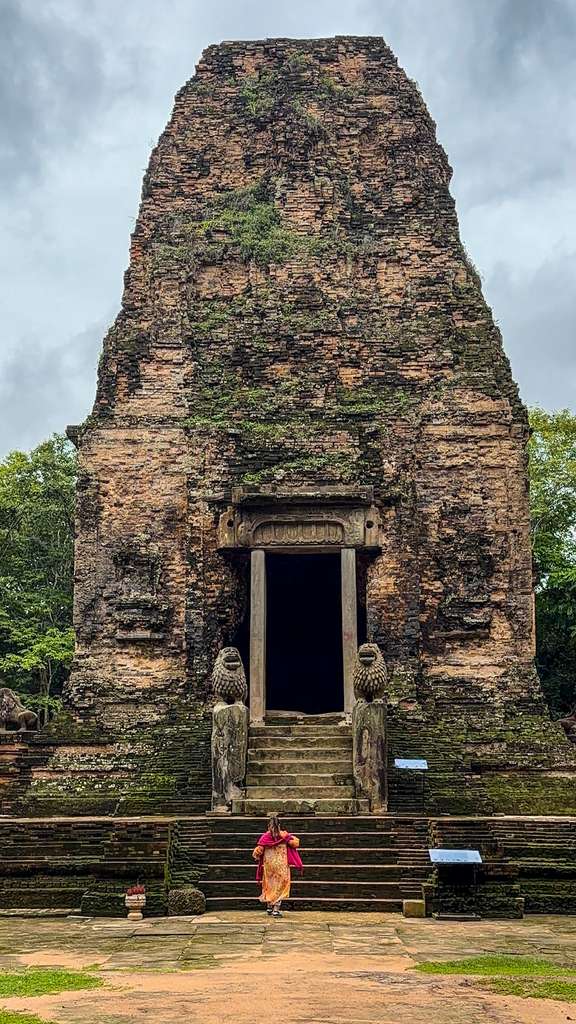
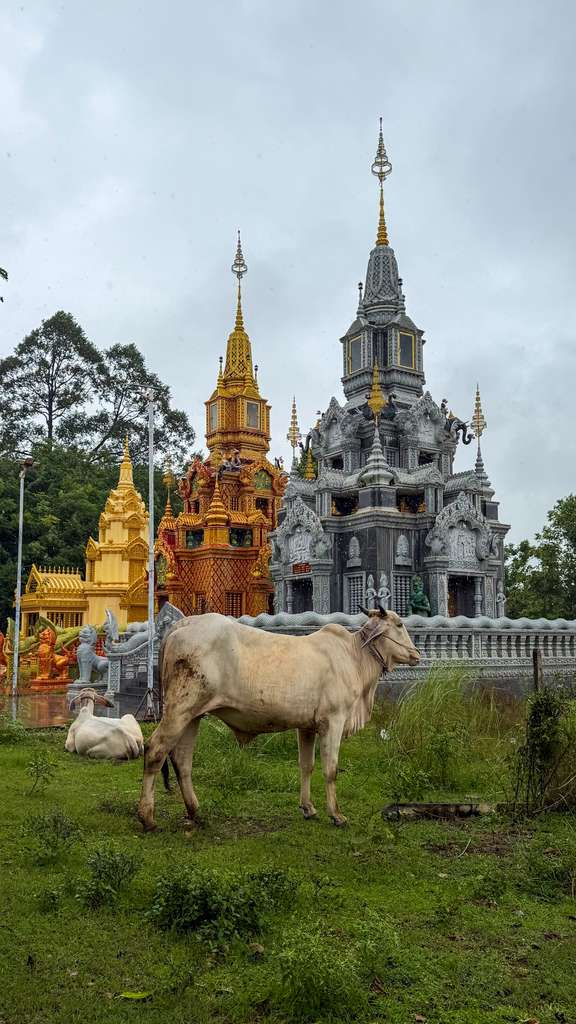
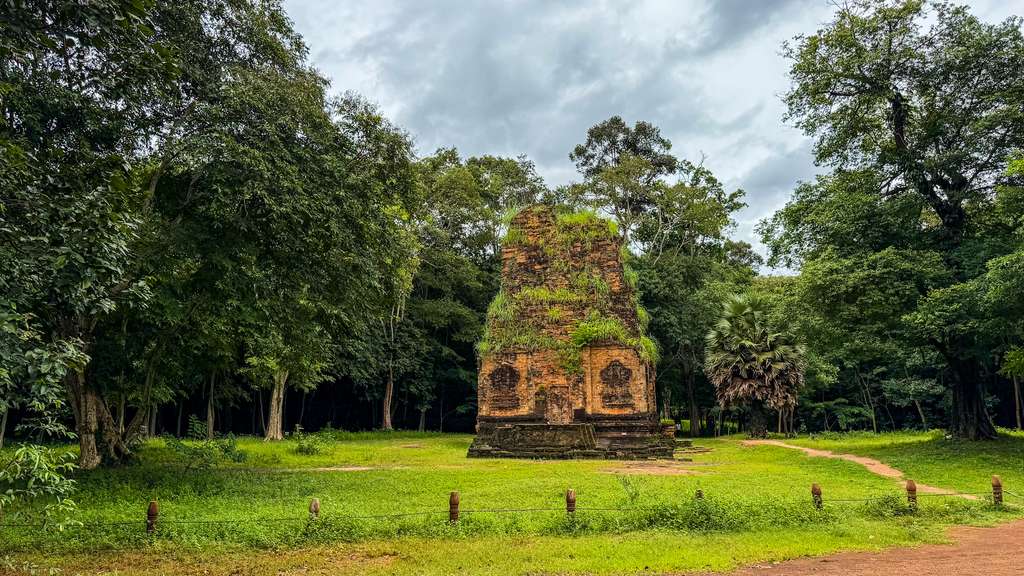
Located in the Kampong Thom Province, about 2.5 hours from Siem Reap and 3.5 hours from Phnom Penh is Sambor Prei Kuk. Despite the long journey from both of Cambodia’s major hubs, if you only had time for one additional destination, this should be it. Sambor Prei Kuk is home to temples that predate Angkor Wat by over 500 years. When I visited with G Adventures, I could count the number of other tourists on one hand, so it seems either Sambor Prei Kuk continues to remain a best-kept secret, or people simply don’t know how to navigate/want to make the journey.
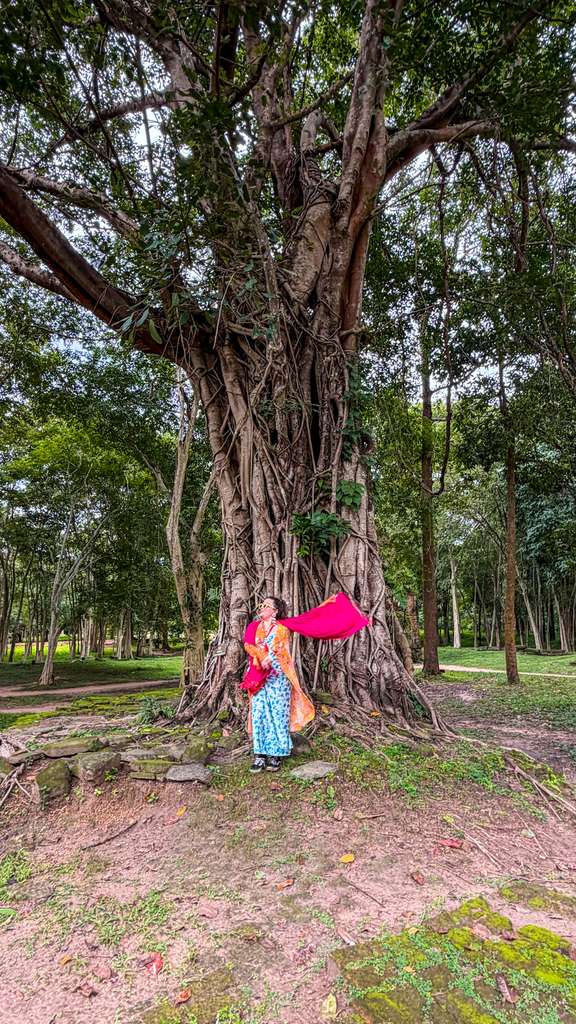
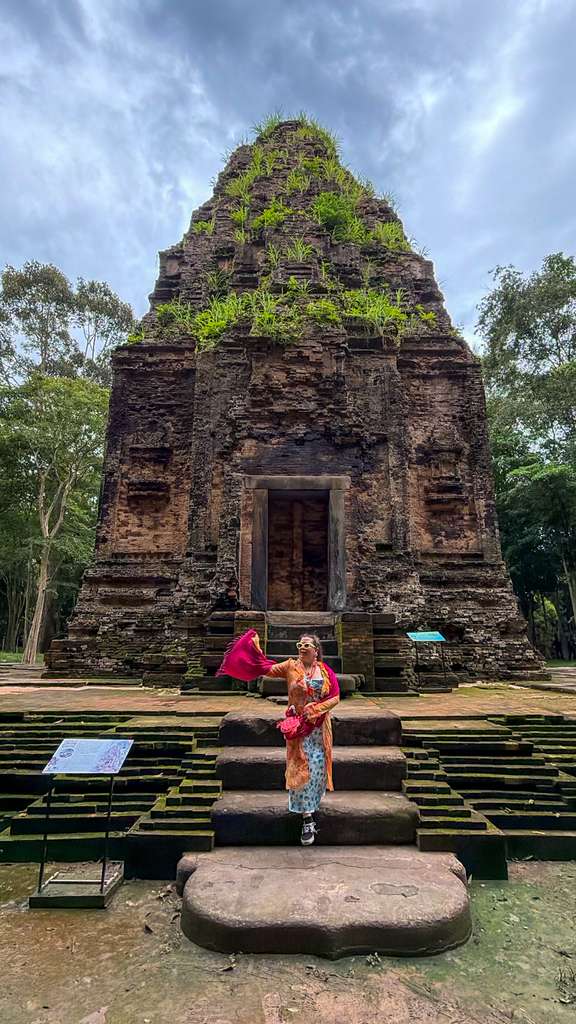
At Sambor Prei Kuk, there are over 100 temples, and the entire archaeological site is UNESCO-protected. It seems every corner you turn, you’re greeted with another marvelous temple, but make sure to also check out some of the old trees onsite here, too. They feel like they’re straight out of a fairytale.
A great way to see Sambor Prei Kuk is when en route from Phnom Penh to Siem Reap. Book this Phnom Penh to Siem Reap transfer tour to make a pitstop here along the way.
Silk Island
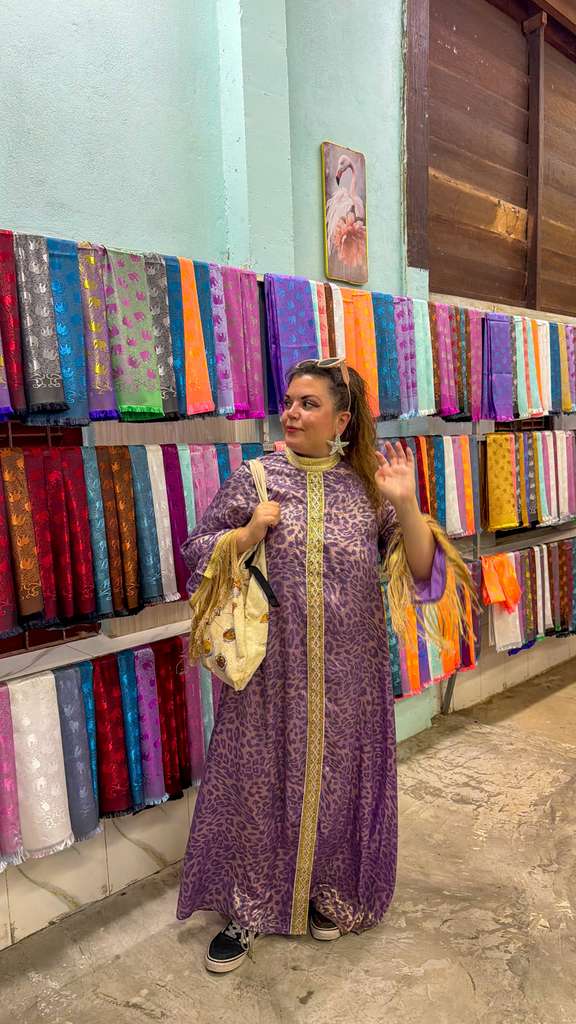
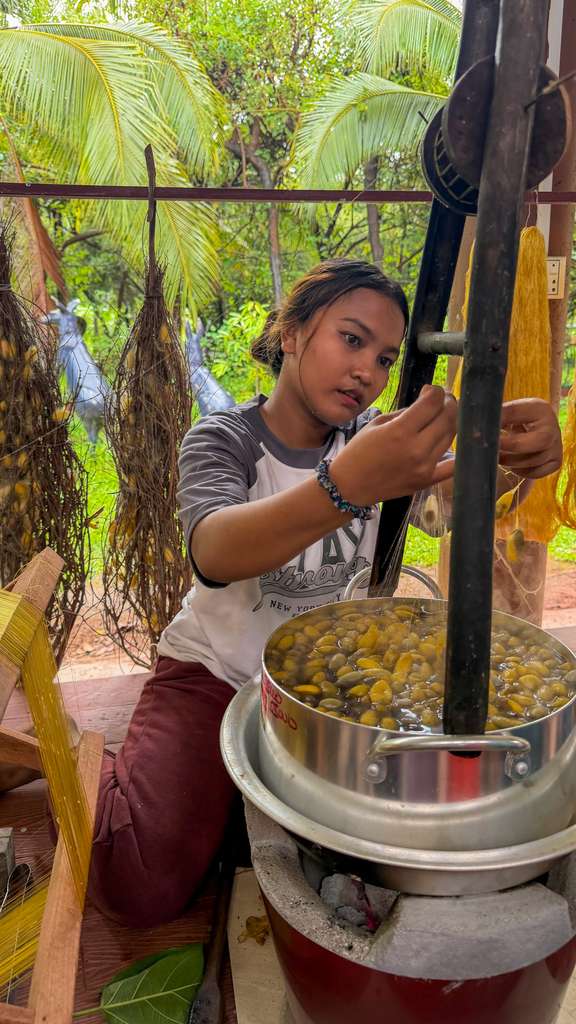
Hand-weaving silk is a prized tradition in Cambodia, and despite not being a large export, it is both an ancient tradition and a way for the locals on Silk Island to support themselves. After hand-weaving silk, which you can witness and observe the intricate process — from worm to weave — locals of Silk Island produce scarves, dresses, pants, and accessories, all made of silk. I bought a beautiful iridescent purple and pink scarf that glowed beautifully at sunrise at Angkor Wat just a few days later.
Silk island is easy to visit from the capital, and you can easily book a Silk Island day tour through to enjoy the island along with highlights of Phnom Penh.
Mekong River
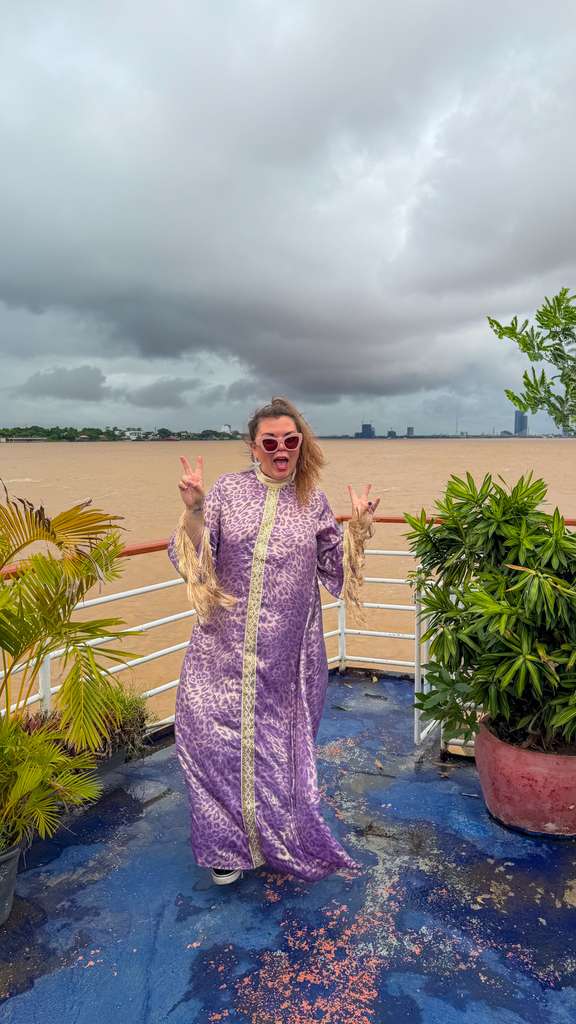
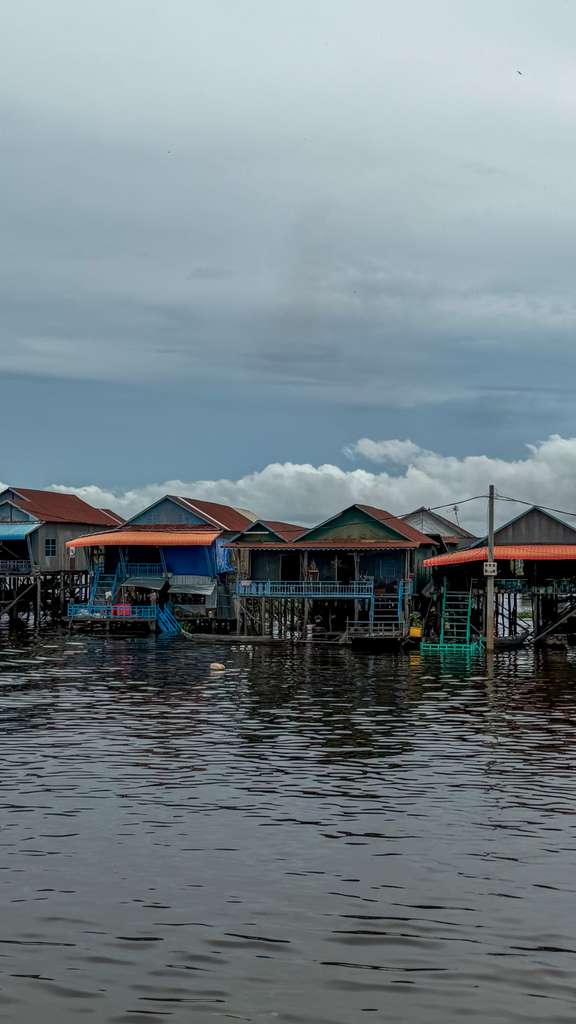
With the Mekong River flowing directly through the entire country of Cambodia, somewhere along the way, you must embark on some type of river cruise. You can access this through several parts of the country, with some options including this $10 sunset river cruise from Phnom Penh or this $18 floating market cruise from Siem Reap.
Siem Reap & Angkor Wat
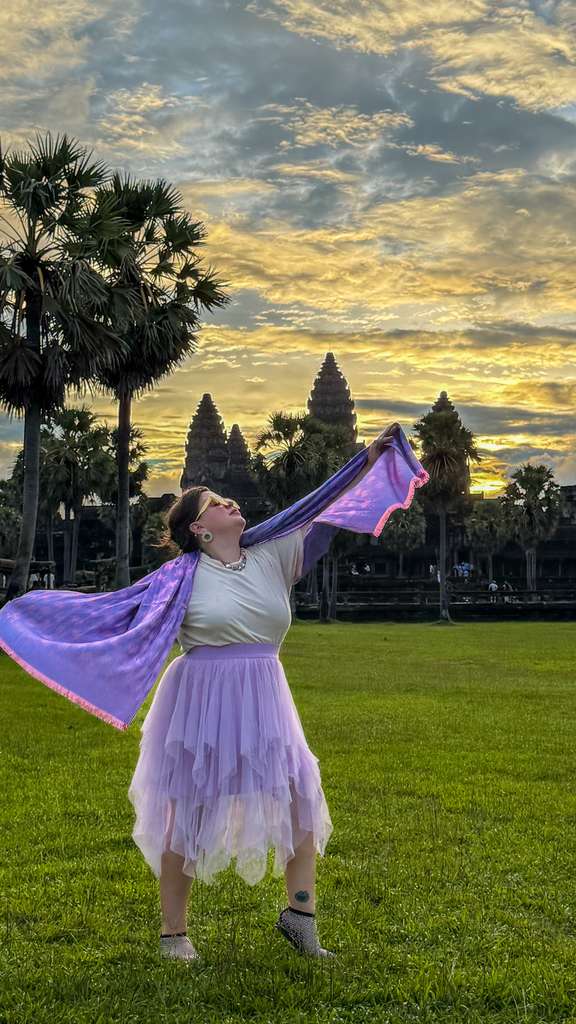
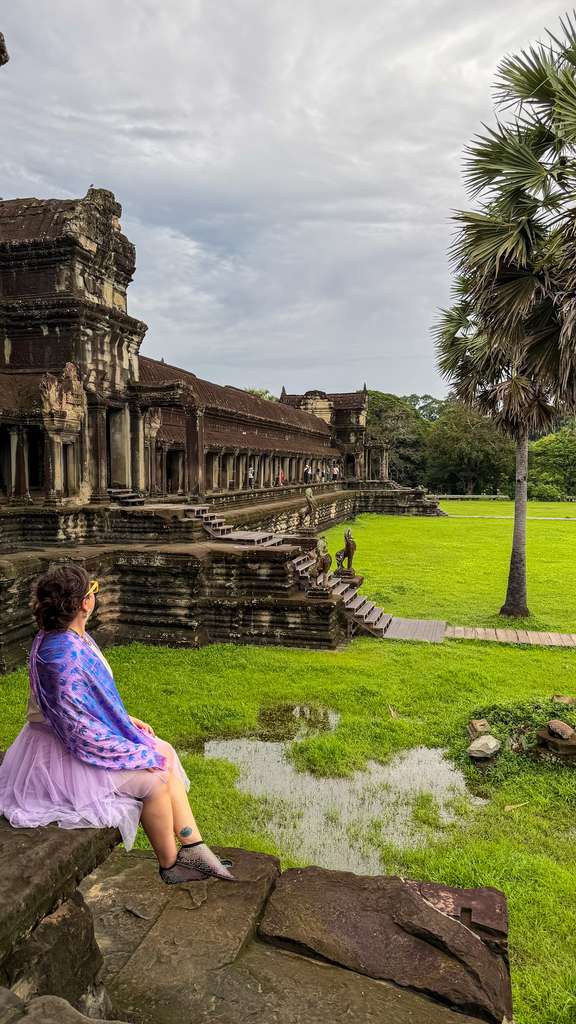
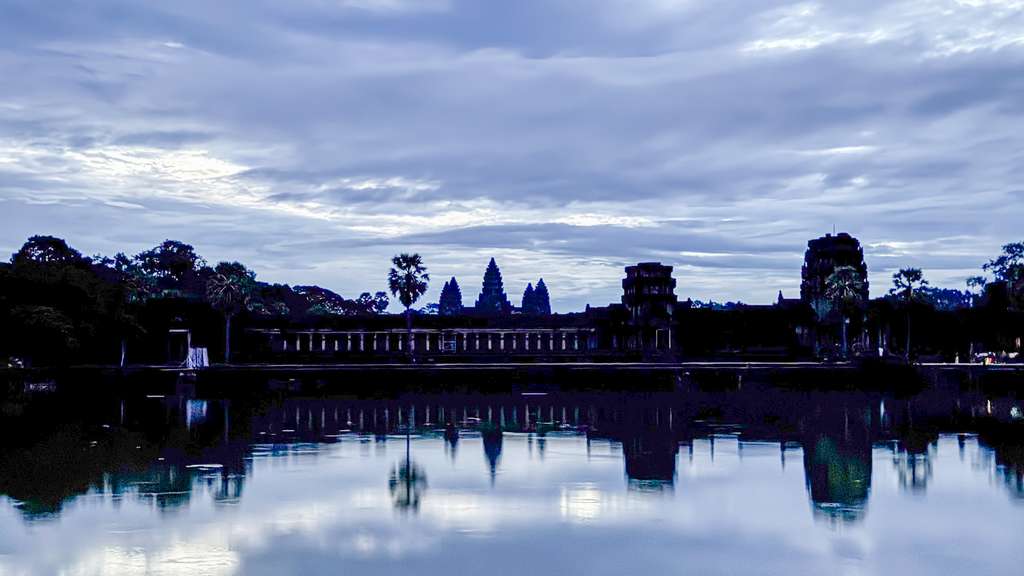
Siem Reap is where most tourists to Cambodia prioritze, for good reason. It’s home to the iconic Angkor Wat. Angkor Wat is the world’s largest religious structure and a UNESCO World Heritage Site. The best time to visit is at sunrise, though if you go in cloudy/rainy season, the views can be hit or miss at golden hour. Regardless, there’s something particularly mesmerizing about watching the day’s first hues of sunlight appear over Angkor Wat’s iconic three pillars.
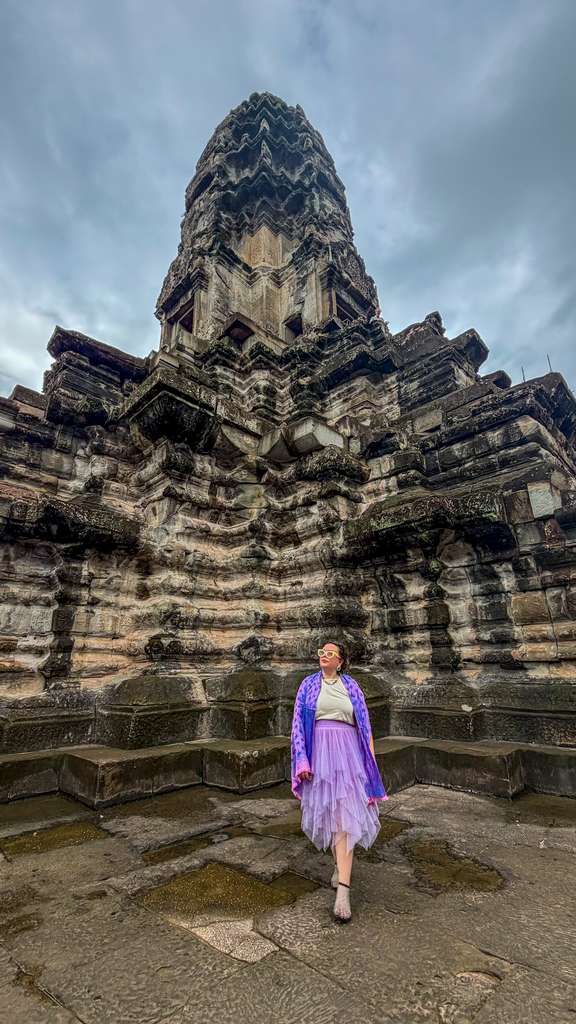

You could easily spend hours upon hours at Angkor Wat, but make sure to reserve time for some other things to do in Siem Reap. Bayon Temple famously has faces carved into its stone structure, and is arguably an even cooler sight to see. Phare, the Cambodian Circus, is an excellent way to occupy the night — it’s an evening show where you can enjoy live entertainment including music and acrobats. Pub Street in Siem Reap is particularly fun, so if you’re looking to imbibe, this nighttime pub crawl is a great way to do so.
In Siem Reap, our G Adventures group stayed at Raffles Hotel Grand d’Angkor, and I highly recommend the same if spacious rooms, immaculate decor, and inviting outdoor pools are your thing.
How to dress
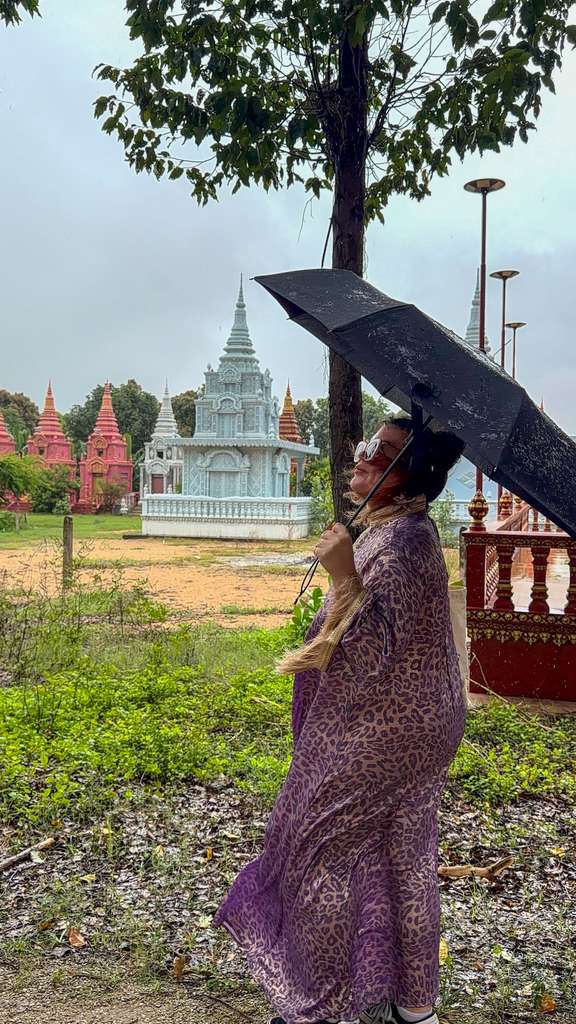
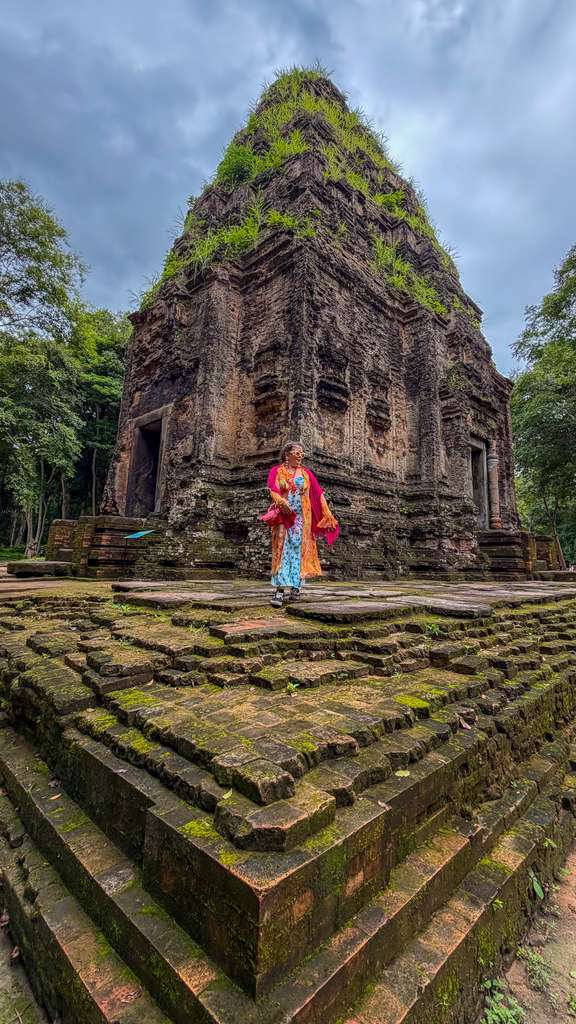
Cambodia is one of the most humid places on earth year-round, so you’ll want to dress accordingly while still respecting local customs and cultures. It is generally advisable to always have shoulders and knees covered when walking around anywhere in Cambodia simply out of a sign of respect. However, at temples and religious sites, it’s not just advisable, but required. When walking around cities like Siem Reap and Phnom Penh, you will see tourists in shorts and t-shirts, but, once again, I’d stick with knees and shoulders covered simply out of paying respect to locals.
Cambodia also has a rainy season, generally from May to October, so you’ll want to bring an umbrella and raincoat, along with waterproof shoes. Trust me — I was there in September, and while the weather was overall warm, the rain comes in waves and it can really pour, so while this is not a dealbreaker and not a time you should avoid visiting, instead, you’ll want to keep this in mind when packing.
Getting around
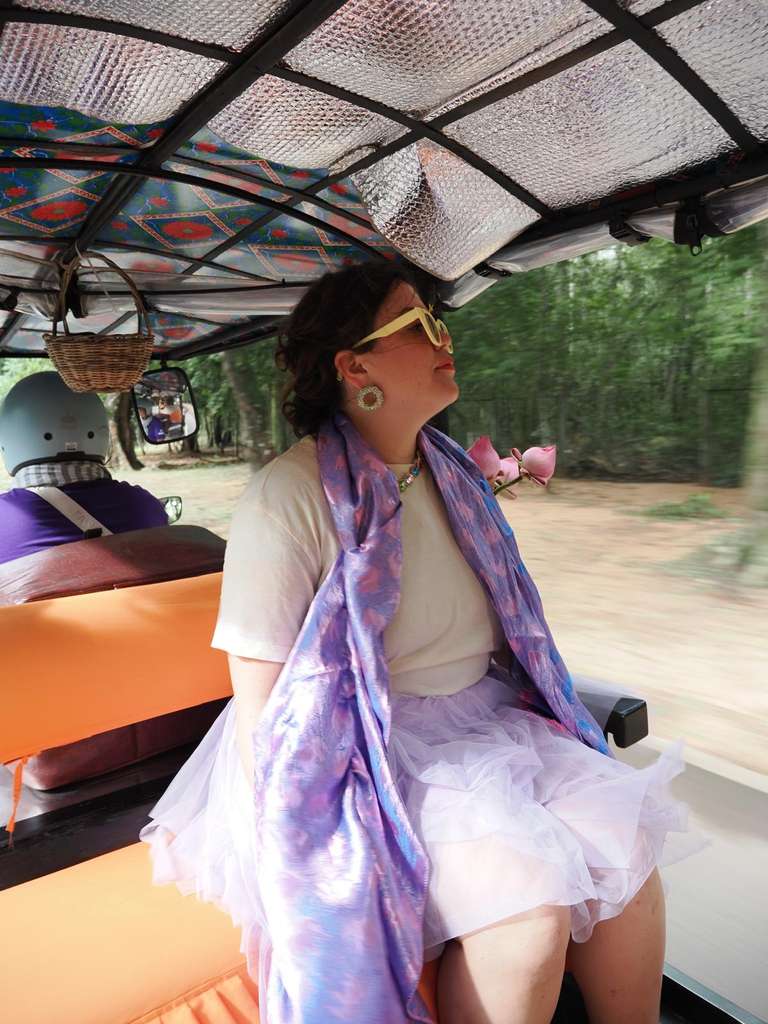
Regardless of whether you’re transferring from city-to-city or simply need transport within a destination you’re already in, getting around Cambodia is generally easy and affordable. On my trip with G Adventures, we had private bus transfers for our group, and roads are well-paved, making it easy to go from point A to point B. You can easily find bus routes to bring you from major cities like Phnom Penh to Siem Reap, and vice versa. However, I would recommend hiring a private guide so you can make pitstops along the way since the journey is long, or joining a tour company such as G Adventures, like I did.
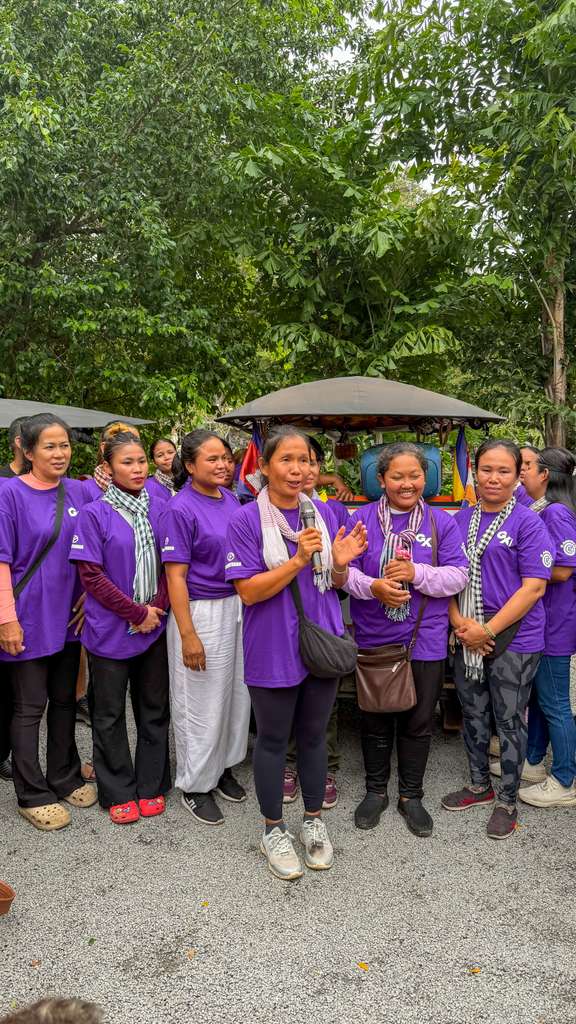
Once n Siem Reap, you absolutely must book a ride with the Tuk Tuk Lady Drivers. Founded by Siem Reap local, Kim, she is the first certified female tuk tuk driver in Siem Reap, and the entire company is run by women. It’s a wonderful way to support the local community, while also getting a great tuk tuk ride to some of Siem Reap’s most iconic places. The Tuk Tuk Lady Drivers even offer a food tour.
Food & Drink
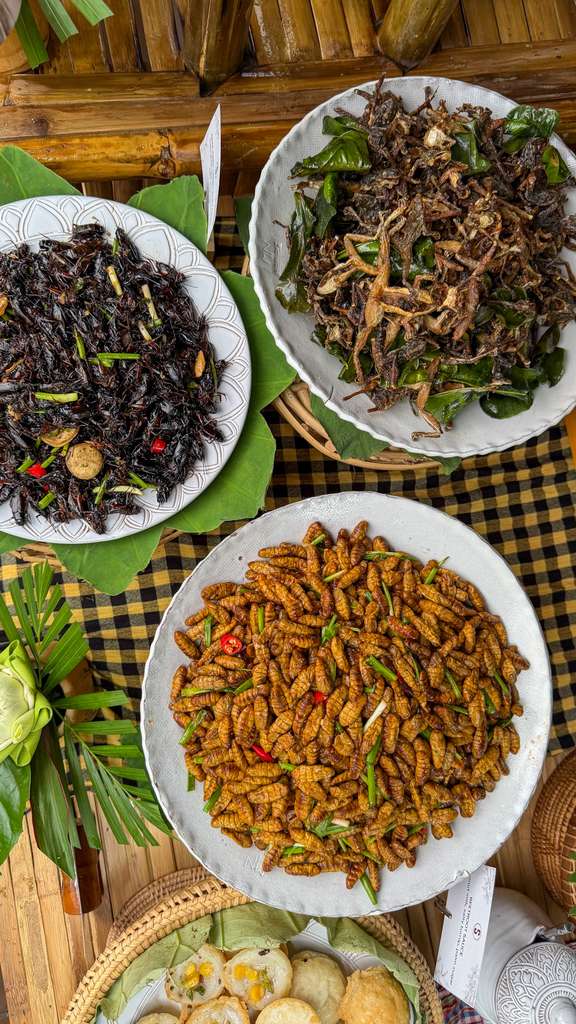
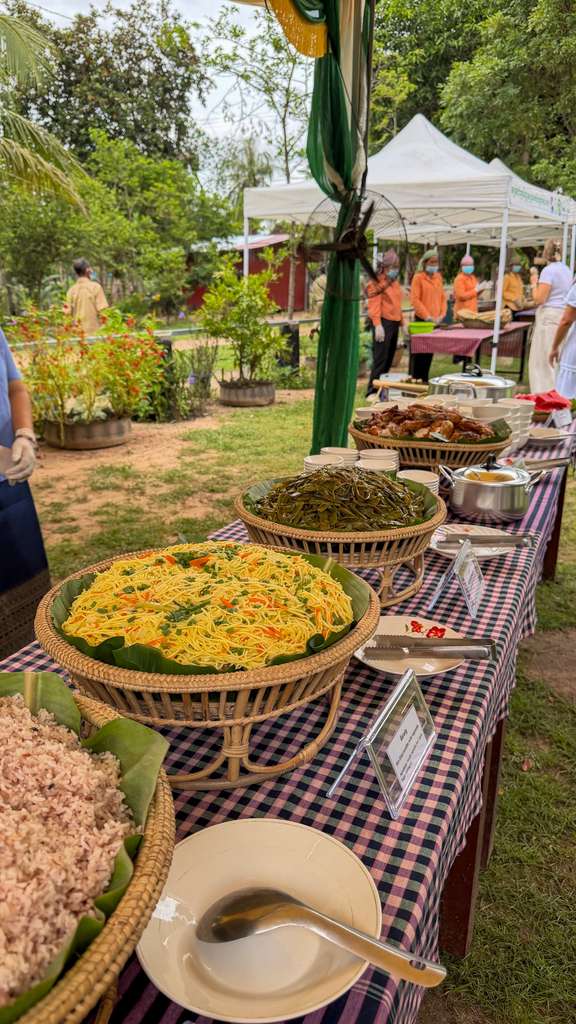
Speaking of food tours, what will you eat and drink in Cambodia?
The national dish of Cambodia is amok, where a freshwater fish is cooked in a banana leaf in a creamy, coconut curry sauce. Prahok Ling is another popular Cambodian dish, made of fermented fish paste, pork, and eggs, and num banhchok is a rice noodle dish in a green curry with tons of veggies.
Siem Reap and Phnom Penh have tons of cafes and bars, offering drinks like lattes, teas, and plenty of pints of beer.
When visiting Sambor Prei Kuk, make sure to stop by the Sambor Prei Kuk homestay, where you can feast on a local lunch of grilled meats adorned with the typical Cambodian lime sauce, sticky rice, and noodles. In Siem Reap, Spoons Cafe & Restaurant is run by students, where you can try a wide variety of traditional Cambodian dishes, including bites like fried crickets and silkworm.
Staying connected and covered
Last but not least, how will you stay connected in Cambodia, and what will you do incase of emergency?
I never travel without two things: travel insurance and an eSIM. An eSIM guarantees staying connected throughout the country, which especially comes in handy on long travel days. I use Airalo, and if you use the code KAITLYN3, you can get $3 off of your Cambodian plan.
For travel insurance, whether it’s a lost suitcase or an injury, you’ll want to be covered. I have been using SafetyWing for years through wild ventures like road tripping Madagascar and visiting my 100th country, Rwanda, which I also did with G Adventures.
You can check out all G Adventures trips to Cambodia here.
DISCLAIMER: I might make a small commission from some of the links throughout this article, but the price is the same for you. This helps keep my business running so I can continue to provide free travel tips!
DISCLAIMER II: G Adventures hosted me on my trip to Cambodia.
