

Beirut was a city that had been on my radar for the longest time, but I was admittedly afraid to go. Every time I googled “Lebanon” or “Beirut,” photos of bombs and bouts of bad news were paired with my search, leaving even adventurous little ol’ me feeling unease.
However, as I became a more seasoned traveler, I learned that most of those “dangerous places” I had been warned about ended up being some of my favorites, especially as a solo female traveler. My time solo traveling through Saudi Arabia is still one of my favorite trips, and destinations like my solo jaunt through Brazil, where everyone told me I’d get robbed, helped me dispel some prejudices I subconsciously had.
So, traveling to Lebanon simply needed to happen. The verdict? I fell in love with the country, but more so, I fell in love with the city of Beirut. While I would personally recommend more than a day in Beirut, if that’s all you have, here’s how to spend it.
Pro-tip: Beirut is a complex city with history that can be tough to understand. Sign up for a city tour to have insight from a local guide.
Start your day with Manakeesh
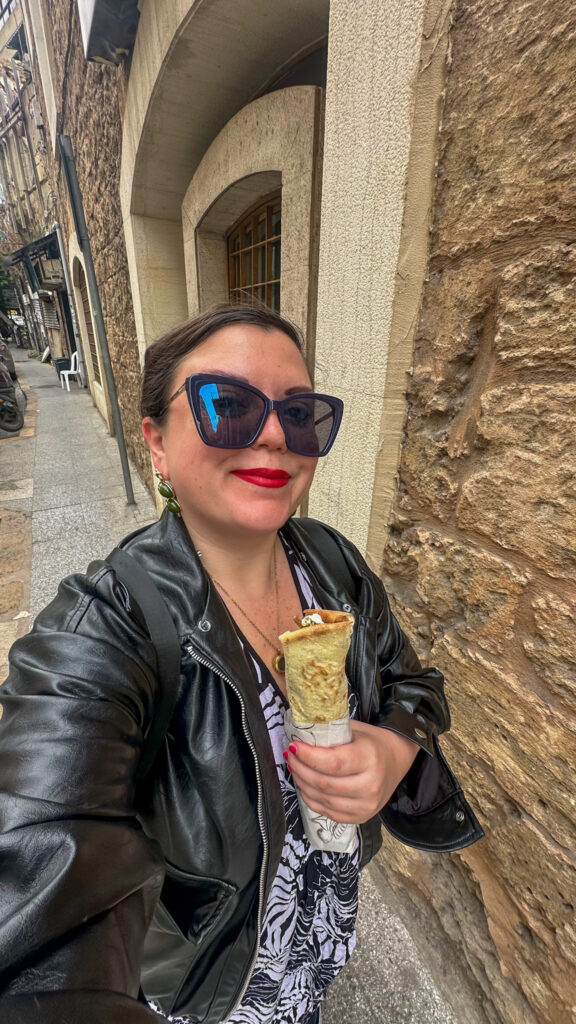
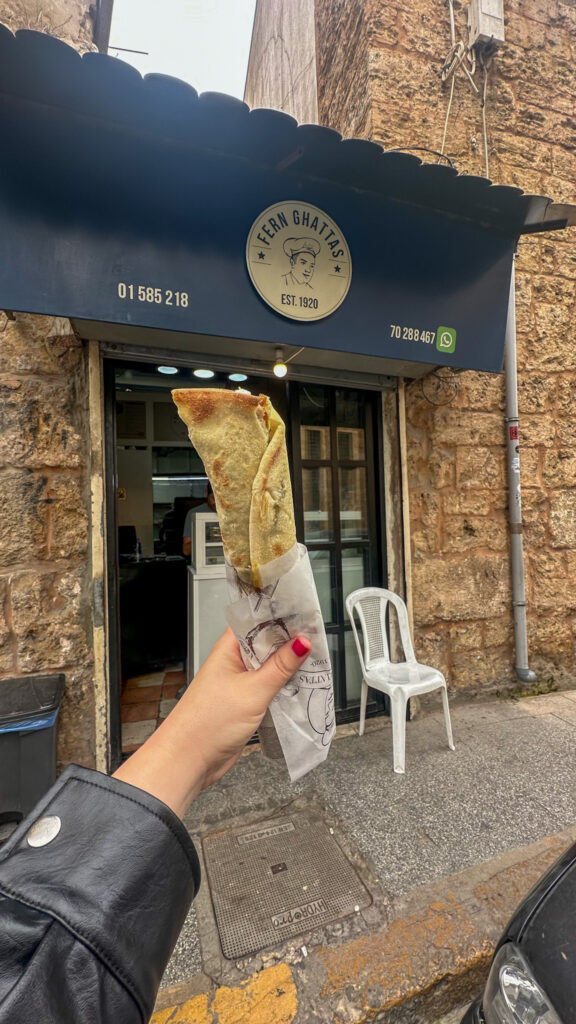
You didn’t really wake up in Beirut if you don’t start your day with a proper Lebanese breakfast. In this case, it’s going to be Manakeesh. Manakeesh is simply a Lebanese flatbread topped with olive oil and za’atar. I tried mine from Fern Ghattas, a small walk-up window in the Rmeil district, which is right by the trendy Gemmayzeh neighborhood, comparable to Brooklyn’s Williamsburg.
While the traditional variation is simply a thin, laid out Lebanese bread with za’atar and olive oil (like a pizza), you can also order a “rolled” version with a variety of toppings. I prefer mine with labneh and za’atar.
Visit the Saint Nicolas Stairs
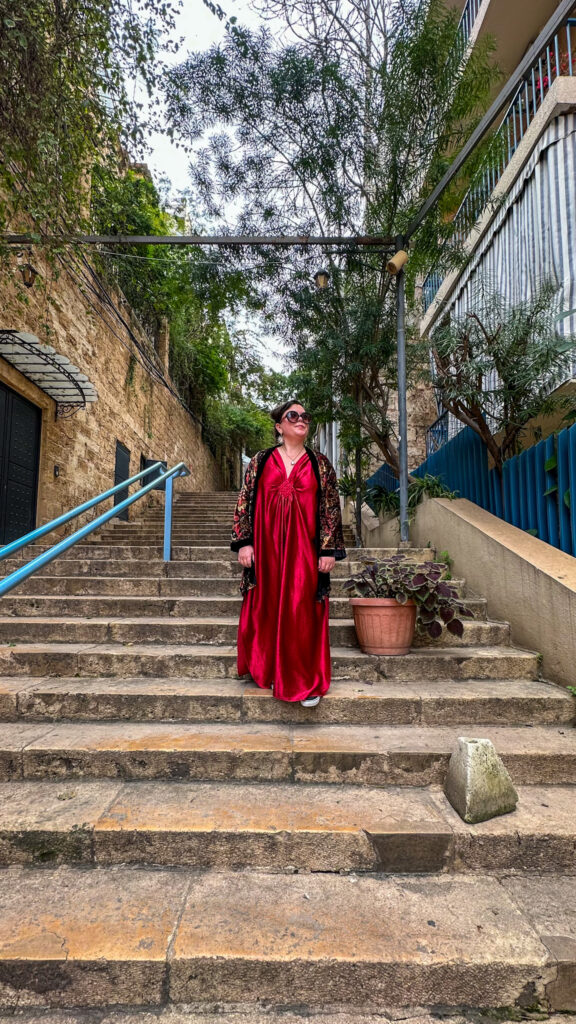
Just up the street from Fern Ghattas are the Saint Nicolas Stairs, also known as the L’Escalier de Saint-Nicolas. There are 125 steps total, and they make for a great place to take some cute photos. Around the stairs, you’ll find plenty of plants, artwork, and some cafes that offer views of the Saint Nicolas Stairs.
Take in the views of The Mohammad Al-Amin Mosque
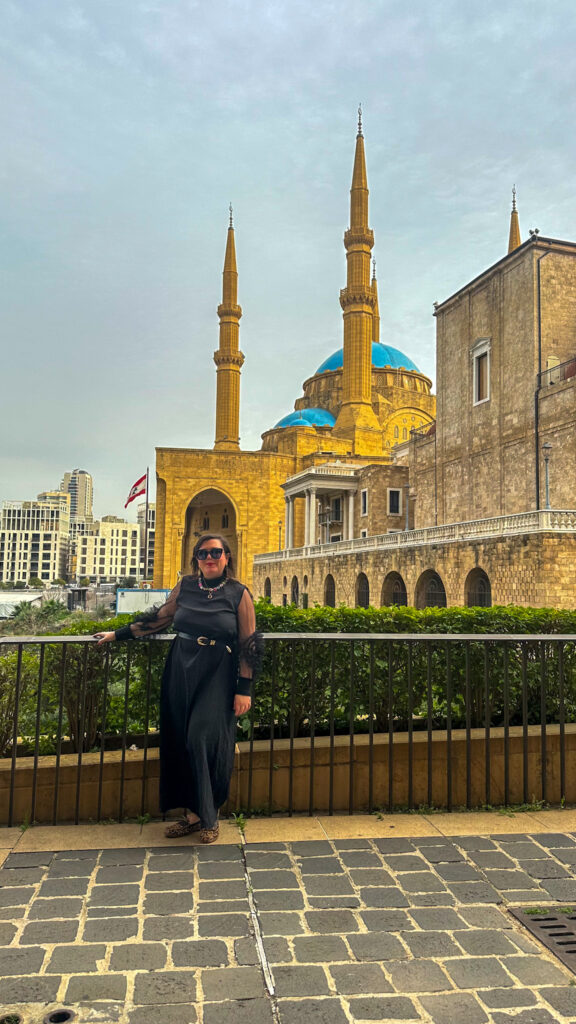
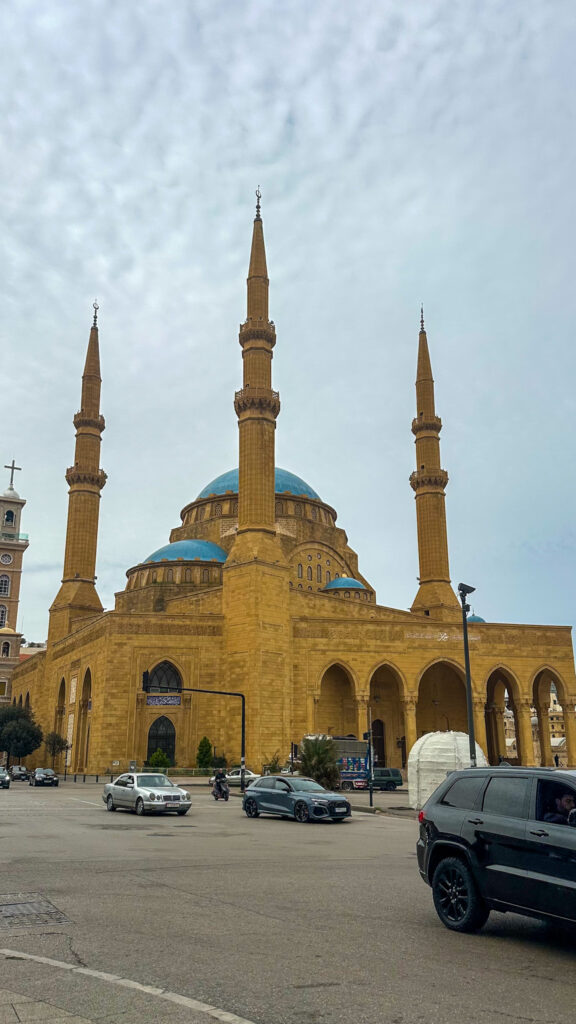
Türkiye isn’t the only country with a “blue mosque.” The Mohammad Al-Amin Mosque in Lebanon is Beirut’s “Blue Mosque,” and is the largest in the country. Built in 2008, the Mohammad Al-Amin Mosque is home to a 48-meter (or 157 feet) blue dome, and has Ottoman-inspired architecture throughout. Just make sure to bring a scarf, as entering the mosque is the only time you will need to cover your hair while in Beirut.
Head to Martyr’s Square
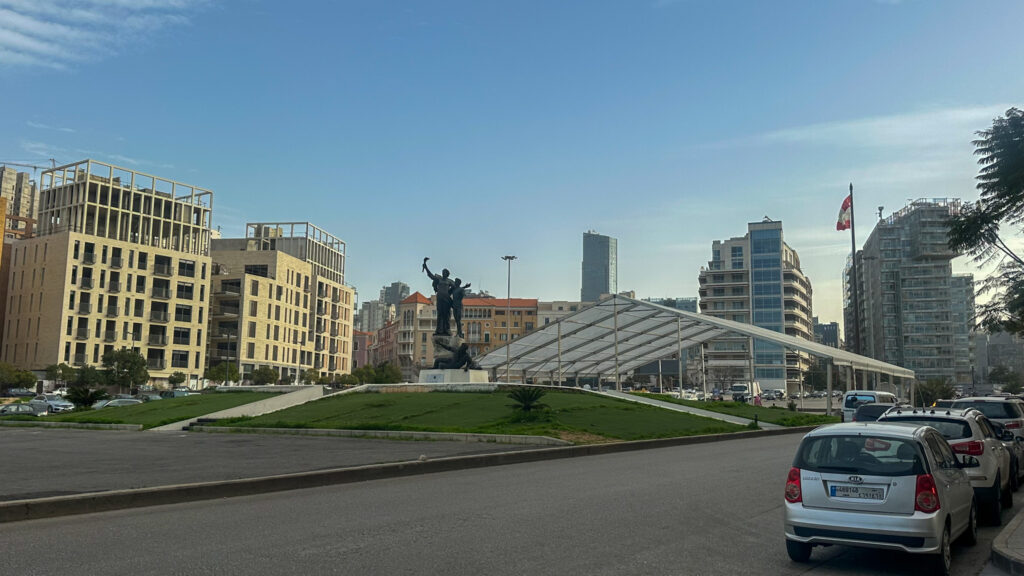
Closely situated to the Mohammad Al-Amin Mosque is Martyr’s Square. It’s best to try to understand a little bit of history before visiting, as otherwise, it just appears to be a statue in a random city square. However, Martyr’s Square is named after events occurring during World War I, when, in 1916, this was the location where executions were ordered by Djemal Pasha. The square now symbolizes resilience of the Lebanese people, representing the Arabs who lost their lives at the hands of the Ottoman Empire.
The statue in the square was built in 1960 by Marino Mazzacurati, an Italian architect, representing Christian and Muslims joining together, like they do in current day Lebanon. During the Lebanese Civil War which lasted from 1975 until 1990, Martyr’s Square was the “Green Line” dividing East and West Beirut. the square acted as the “Green Line,” dividing East and West Beirut.
Learn about class divides by strolling through Downtown Beirut
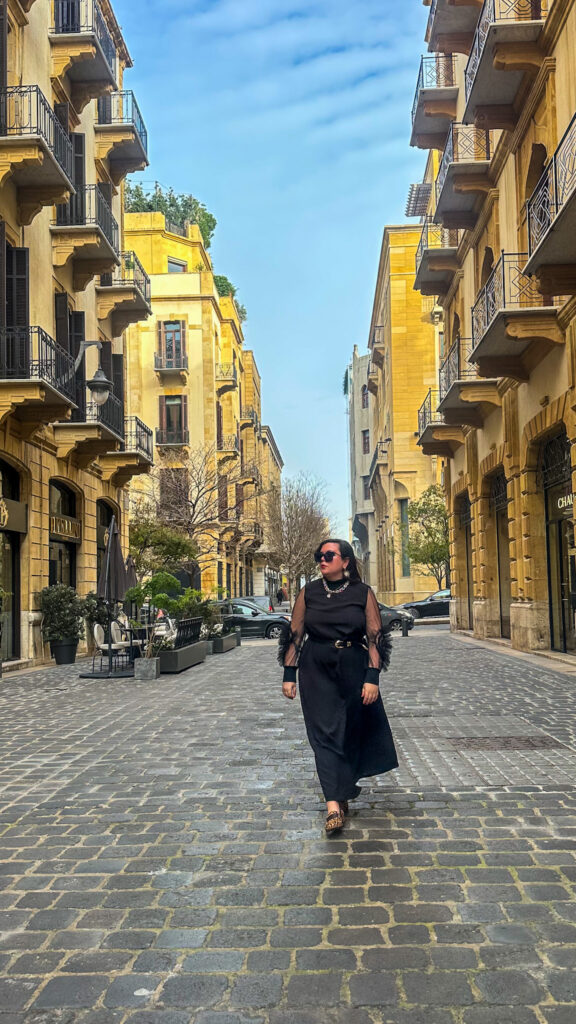
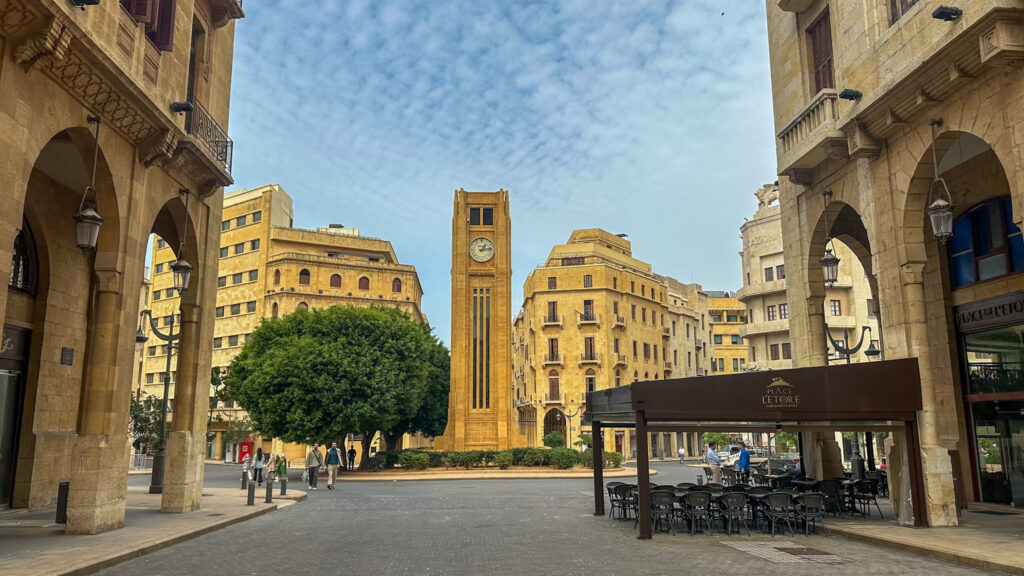
Beirut is unlike any other city I’ve personally seen. On the same street you see high-end stores, you see buildings in ruins. There’s a serious class divide in the city, and it is even noticeable when flying in (as my plane first approached Lebanon, from the sky, I saw high-rise buildings, followed by a row of dilapidated and overcrowded buildings that clearly were not kept in the same condition.
One of the best ways to see this on the ground as opposed to in the sky is by heading to Downtown Beirut. Here, you’ll walk clean, tiled streets with rows of luxury stores (all of which appear to be empty). There is a Christian Louboutin store, a MaxMara, and even a Gucci. The area is undoubtedly clean and pristine, and while it’s nice to take in, it adds yet another layer to the complex situation in Beirut.
If you continue to walk further, you’ll eventually hit the Beirut waterfront, or the Corniche. Lined with paved streets and palm trees, you can take in the sounds of the waves crashing on one side, and the bustling city on the other.
Snap a photo at Raouché Rocks
Further down by the water, all the way on the edge of the coast, you’ll see Pigeon Rocks, or Raouché Rocks. These are two jarring limestone rocks that remain one of the most popular tourist attractions in Beirut. But to further emphasize that I did not do enough research prior to visiting Lebanon, I actually did not see these! However, they are quite literally right there, so do yourself, and me, a favor and go check them out.
Grab a street shawarma
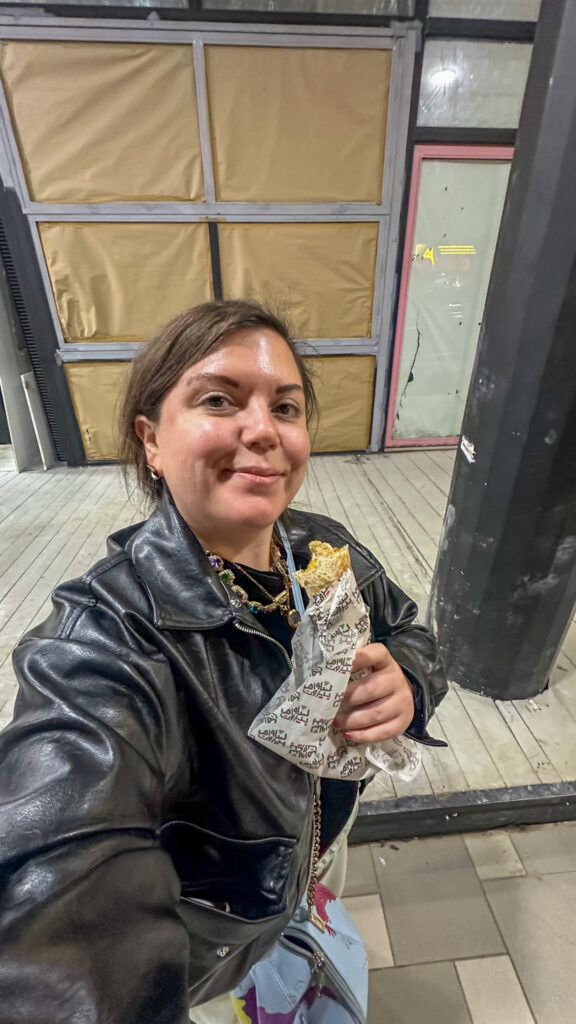
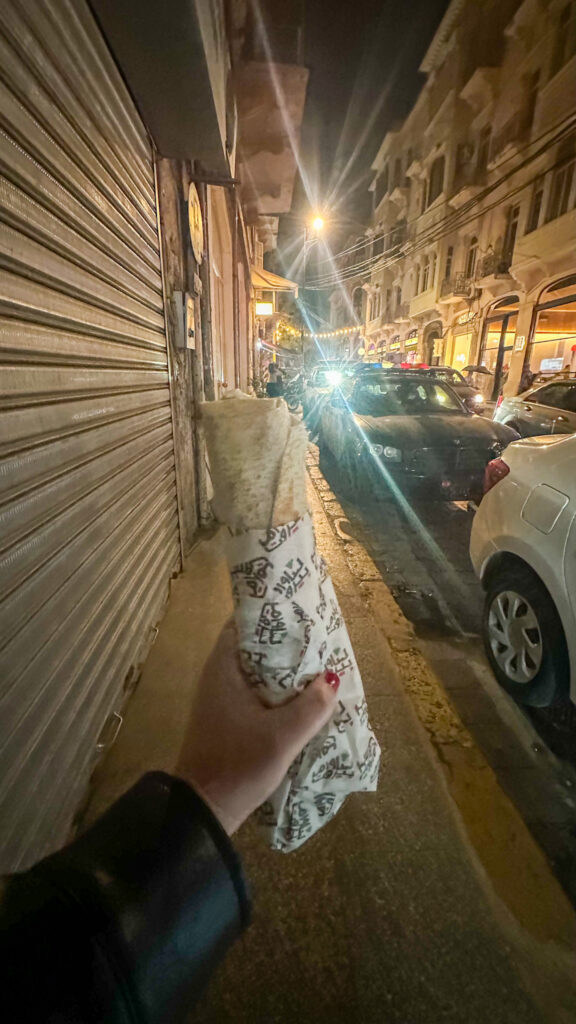
Beirut does many things well, but out of all of those, street food is a game-changer here. And you didn’t really visit Lebanon if you didn’t try a street shawarma. You will see stalls all over the city with rotating spits of meat. I had five or six shawarmas during my week in Beirut, but if you only have time for one, Restaurant Joseph is a cult-favorite for a reason. Make sure to get it loaded with pickles and toum for the ultimate experience.
Visit the Holiday Inn Hotel with shrapnel and bullet holes from the Civil War
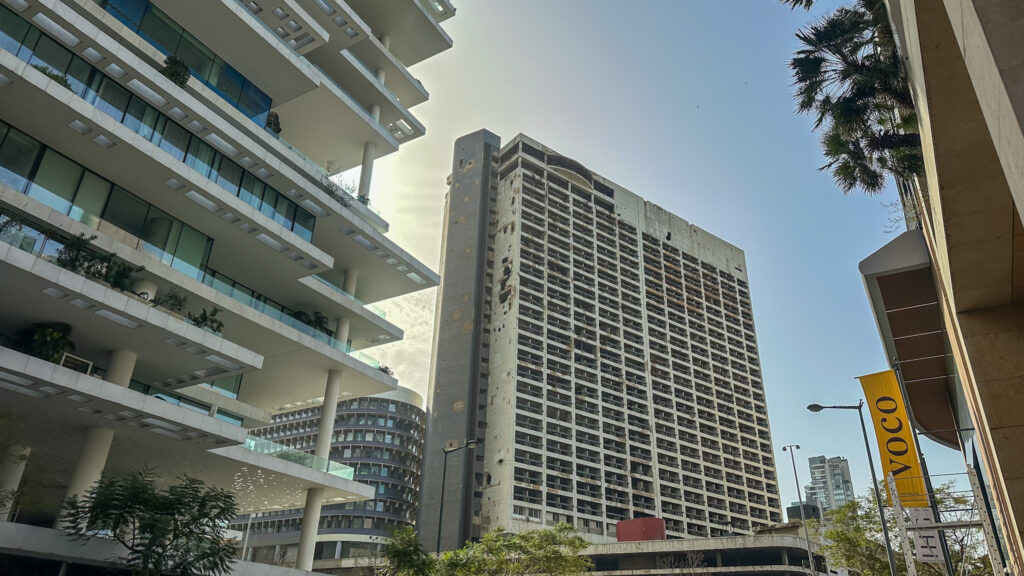
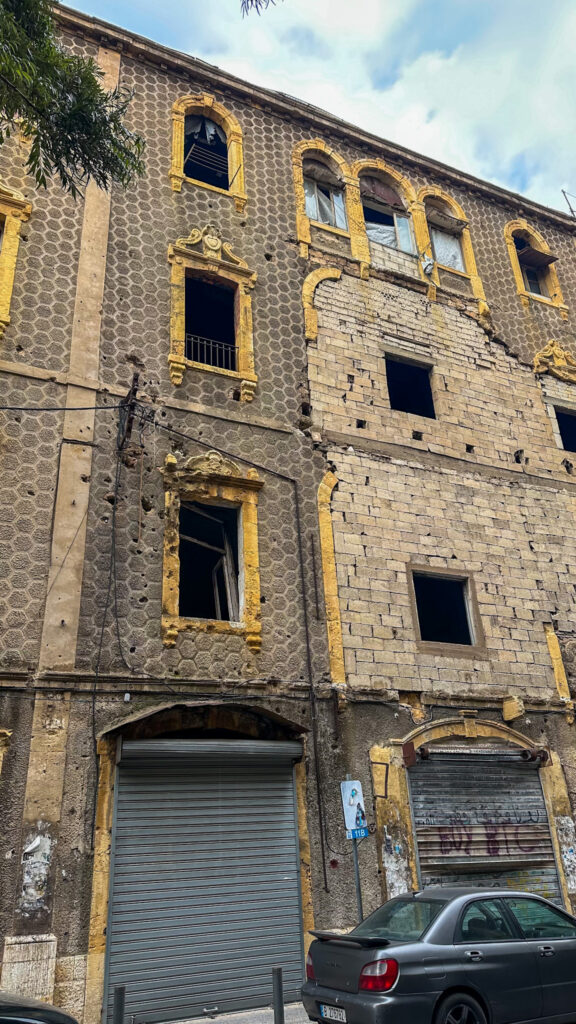
Continuing with Beirut being an extreme case of contrasts, after taking in the luxury stores and beautiful coastline, head over to the Holiday Inn Hotel. Why is that? Well, amidst a sea of five-star properties is the bullet and shrapnel-ridden Holiday Inn Hotel. The hotel’s condition is remnant of the Lebanese Civil War, which lasted from 1975-1990, and the city leaves it exactly as is, as a reminder of what the country has been through. I accidentally walked by it about three times before realizing it was right there, but once you notice it, it stands out like a sore thumb as it is right next to some of the most expensive hotels in the city.
Indulge in a Lebanese feast at Le Chef
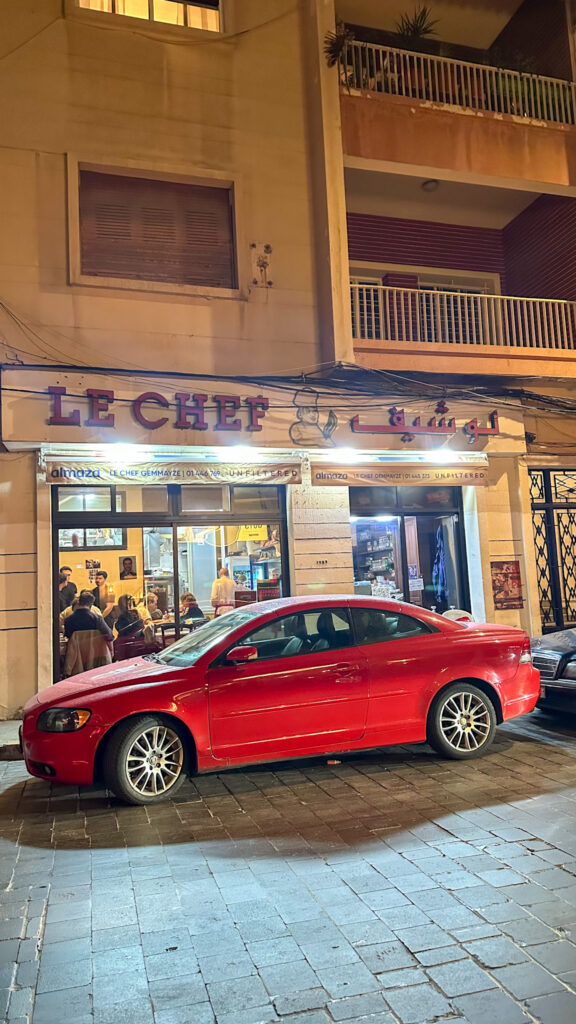
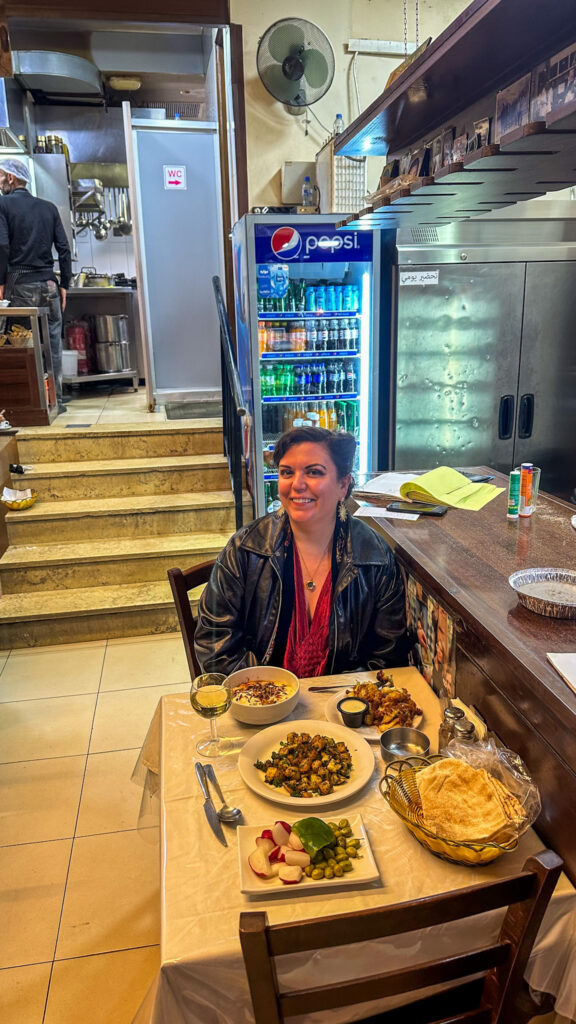
My main priority when in Lebanon was to eat, and that, I did. Yet out of all of the fantastic bites of food I had during my week in Lebanon, absolutely nothing holds a candle to my dinner at Le Chef. This is an Anthony Bourdain-approved restaurant, and while much of Beirut is filled with trendy cafes and restaurants, Le Chef keeps it old school, like someone’s mom or grandma is in the kitchen making your food. The owner is extremely attentive and friendly and will help guide you through their extensive menu — I would trust whatever he says. I simply let him choose everything for me, and he gave me a wonderful hodgepodge of dishes to try.
All meals here start off with a plate of peppers, radishes, and olives, along with some Lebanese bread. I ordered the fatteh, a bowl of yogurt and chickpeas and pita and almonds, and it was the best thing I ate in Beirut. I also tried a plate of fried cauliflower with tahini which was so simple yet perfect, and the kibbeh and fattoush here are also fantastic.
Basically, you cannot go wrong at Le Chef. They have live traditional music some nights, and like a lot of other spots in the city, it is a cash-only establishment.
Party Beirut-style
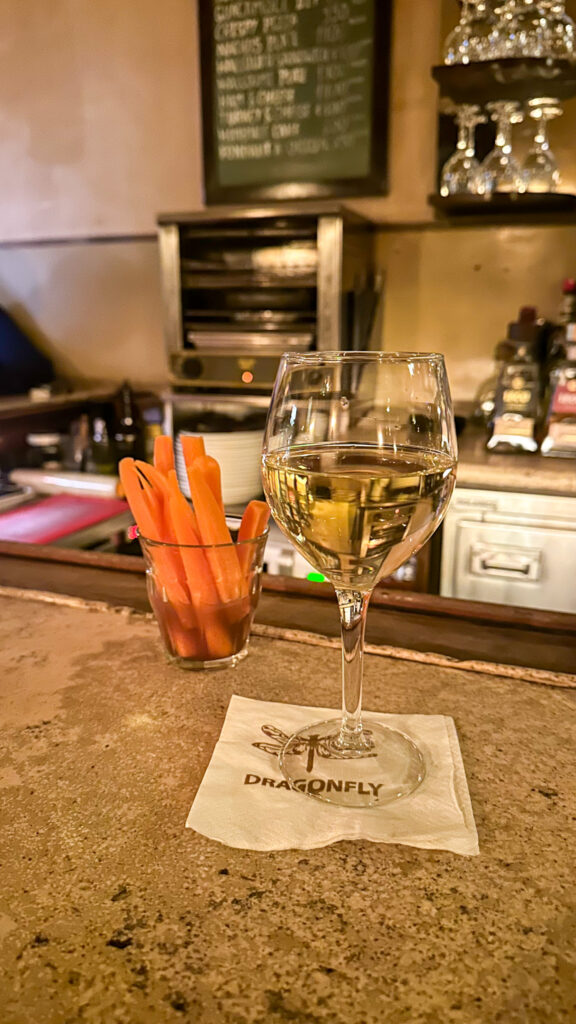
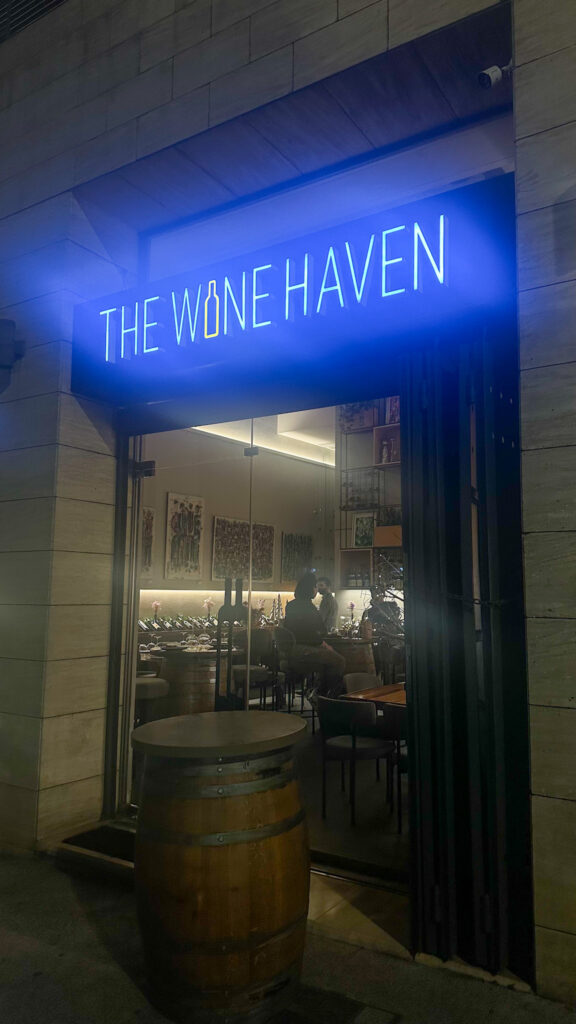
Whether you like clubbing or not, it’s simply an experience you must try when in Beirut. I have never in my life seen people party the way they do in Beirut. The city comes absolutely alive at night (however, Fridays and Saturdays are much more bustling than a Tuesday). Drink some local wine or arak, and put your dancing shoes on to join the crowds of a proper Lebanese night out.
For context, I am a solo female traveler and went to Lebanon alone, and yes, I did go out one night in Beirut. I was safe, but of course, use your best judgement and don’t get overly intoxicated.
Optional: Where to stay
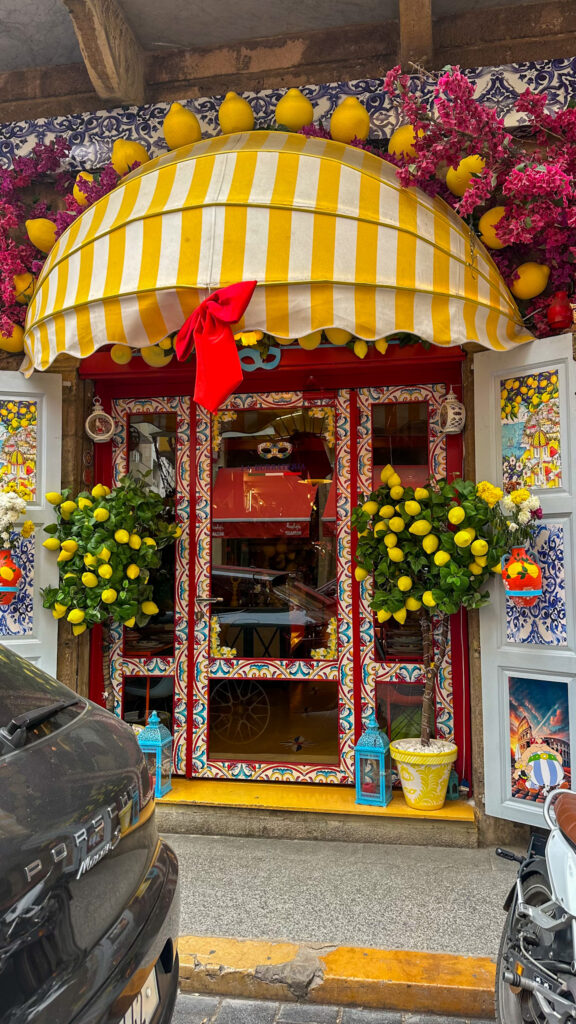
Beirut has a nice mix of hotels, hostels, and B&Bs.
- The Grand Meshmosh Hotel is a great option for a hostel. I stayed here and booked a private room, which was roughly $50/night. They preferred cash payments. The location was supreme and the included breakfast is fantastic.
- Mövenpick Beirut is a five-star hotel located right on the water.
- The InterContinental Phoenicia Beirut by IHG is located right around the corner from the Holiday Inn Hotel and Zaitunay Bay.
- Four Points by Sheraton Le Verdun is a solid choice for a chain hotel where you can accumulate Marriott points without entirely breaking the bank.
Best day trips out of Beirut
Beirut is just the beginning of what you’ll explore in Lebanon. I recommend basing yourself in Beirut for the duration of your trip, and to use it as a hub to take day trips around the country. Some of the best are:
- Baalbek to visit ancient Roman ruins that stand 30 meters high.
- Byblos to visit one of the world’s oldest inhabited cities in the world
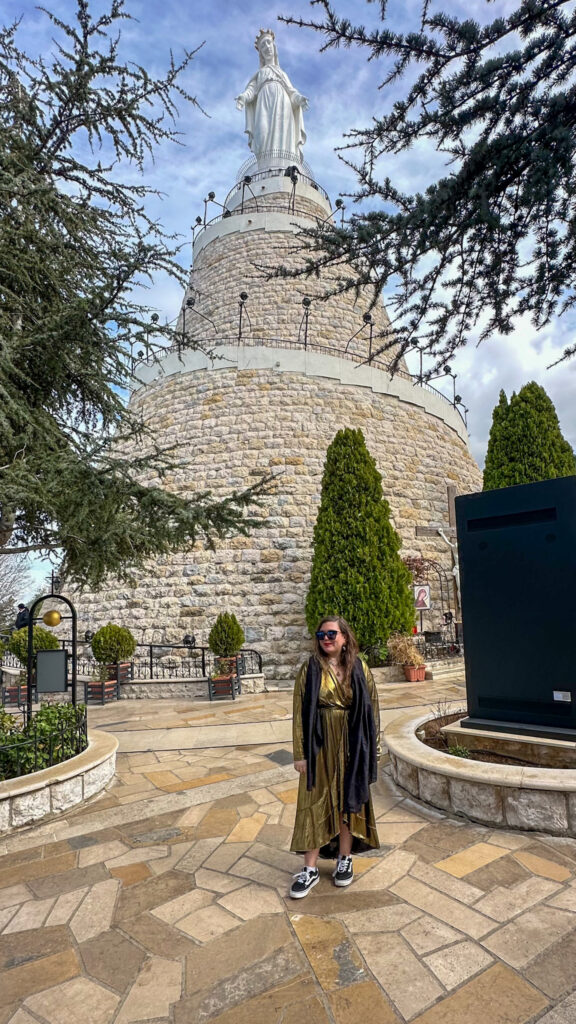
- Jeita Grotto and Harissa as a combined day trip to visit underground caves and the Lady of Lebanon (this trip also stops in Byblos — I took it and I endorse it!)
- Bekaa Valley for wine-tasting throughout the country
DISCLAIMER: I might make a small commission from some of the links throughout this article, but the price is the same for you. This helps keep my business running so I can continue to provide free travel tips!
