

Lebanon was a country that lived at the top of my bucket list for nearly a decade. I had plans to visit in 2019, but a cancelled connecting flight to Oman led me to reroute my Middle Eastern jaunt and save it for another day. Fast forward to 2026 when I found myself road-tripping Cyprus, though Lebanon wasn’t entirely part of the plan, with a flight that was less than one hour, it seemed like now more than ever was the time to go.
So I did. I went into Lebanon somewhat blindly. Though I was familiar with Lebanese cuisine, and had heard a handful of stories of what traveling to Lebanon was like, I found information about visiting the country to be generally sparse since it’s not the most popular destination from a tourist perspective. I had read the “Level 4: Do Not Travel” warnings issued by the US, and that admittedly made me uneasy. However, I was sure what was beyond the travel warnings, and the images I saw when I googled Lebanon (always something terrorist or bomb-related) was a country full of wonder. That turned out to be an understatement.
I absolutely fell in love with Lebanon.
Yet there is something to be said about showing up prepared everywhere, especially here. Had I done just a hair more research, I would have had a smoother trip. So, learn from my mishaps, and if you want to go to Lebanon (which, go, go, go!), read this guide of what to know before you go, so you don’t show up as haphazardly as this Type B traveler did.
Is Lebanon Safe?
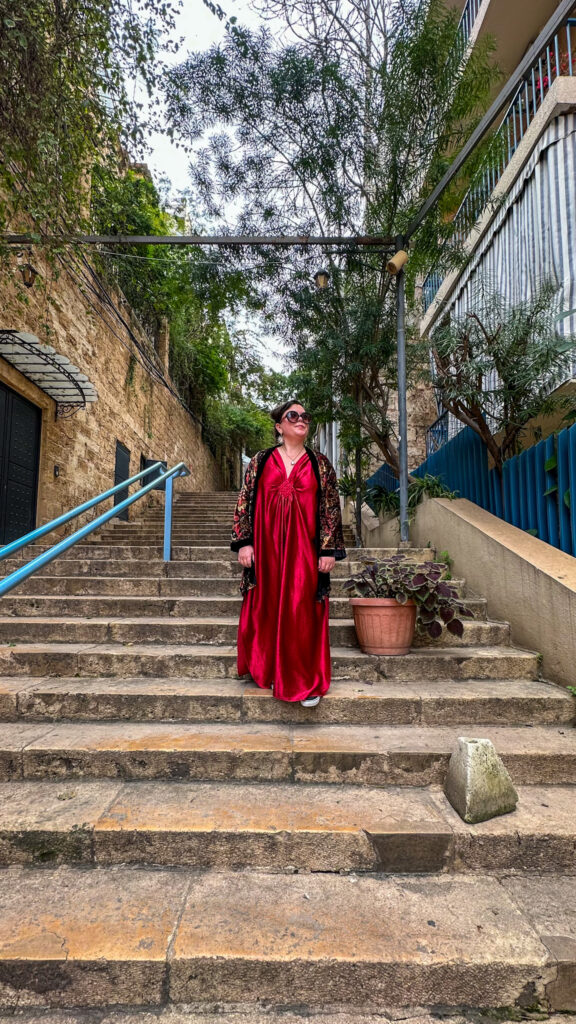
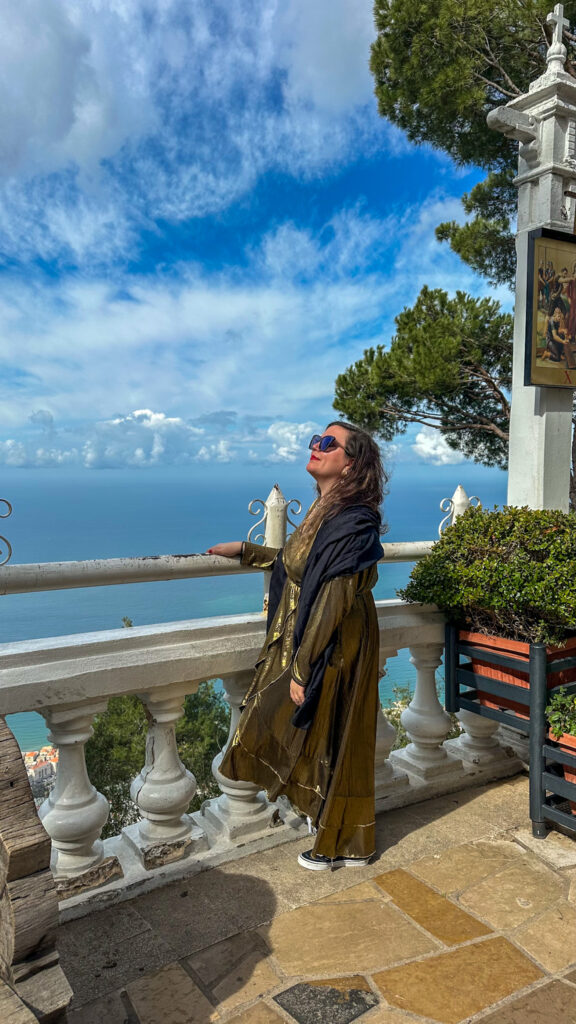
Let’s address the elephant in the room: “Is Lebanon safe to visit?” I’ve said it before and I’ll say it again that safety is entirely subjective to each individual’s experiences. However, due to Lebanon’s geographical and political proximity (namely, its neighbor in the south), Lebanon is simply a “riskier” country to travel to, not for things like petty theft, but for being the constant victim of political turmoil. However, I don’t need to tell you all of that, because you’ll read it everywhere, just like I did. One of the most comical things I read on the US Travel Advisory site (which labels Lebanon a Level 4: Do Not Travel), said to not touch mystery metal objects. Um, I don’t know who’s traveling to anywhere in the world and touching mysterious metal objects, but thanks for the tip, I guess!
Instead, what I can tell you about Lebanon is that, as a solo female traveler (an American one, at that), I never once felt an ounce of fear walking around Beirut. At first, it was eery. Like, wait, this is what Lebanon is like? Because the pictures I had seen online verses what I was seeing with my very eyes were so vastly different. Beirut is a lively city. I have an entire section on the “overall vibe” of Lebanon below, and I get more into it there.
Lebanon felt so safe that there were times I was at a cafe working, and felt comfortable enough to leave my laptop and phone unattended while I use the restroom. You could not pay me to make that same choice in any city in the US. So, from a “solo female travel” perspective, and a walking around alone at any hour of the day perspective, yes, Lebanon is a safe country.
Keeping that in mind, shortly after I left Lebanon, a travel advisory was issued for all non-essential American travelers in Lebanon to leave the country immediately. These are the things you’ll want to keep a close eye on while in Lebanon. The situation for Lebanon can unfortunately change quickly and at any time, though it is seldom the Lebanese people that are the ones you have to worry about.
Dress Code: What should I wear in Lebanon?
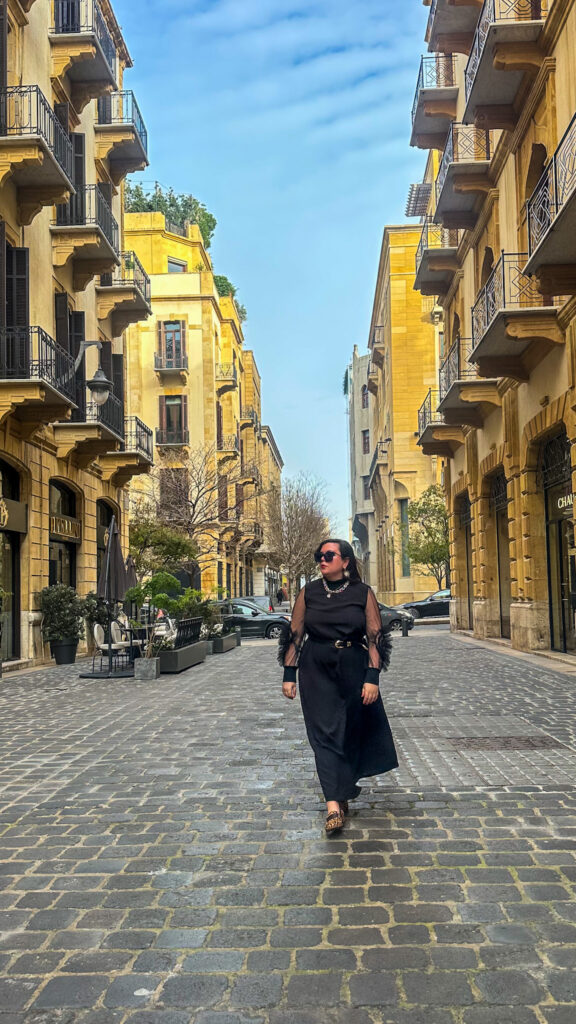
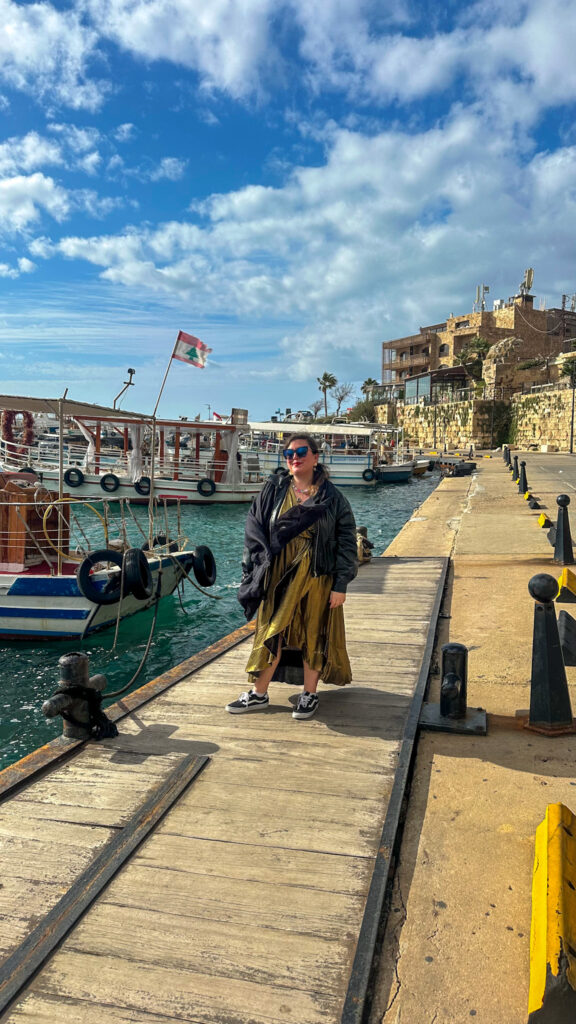
“What should I wear in Lebanon? Do I have to cover up?” This was a common question I received from my loyal Instagram followers after visiting Lebanon, understandably so. When you look on a map, you see Lebanon in the Middle East, and it’s an easy misconception to believe that women have to cover up everywhere they go anywhere in the region. In Lebanon, outside of visiting mosques, you do not need to cover up whatsoever. (Just to further disprove Middle East dress code requirements, you don’t even need to fully cover up in Saudi Arabia as a female traveler!)
Lebanon is an extremely modern country, and in Beirut specifically, you’ll see people walking around in anything from leather pants to fishnets and band t-shirts. Beirut is one of the most fashionable cities I’ve personally been to (it used to be called the “Paris of the Middle East!”). Basically, people in Lebanon are extremely cool and it shows through their fashion choices.
Outside of Beirut, the dress code is similar. If you’re visiting a particularly religious town, whether Christian or Muslim, just like you would anywhere else in the world, you’ll want to go more modest. But overall, the rule of thumb in Lebanon is to wear whatever you want.
Safety for LGBTQIA+ Travelers
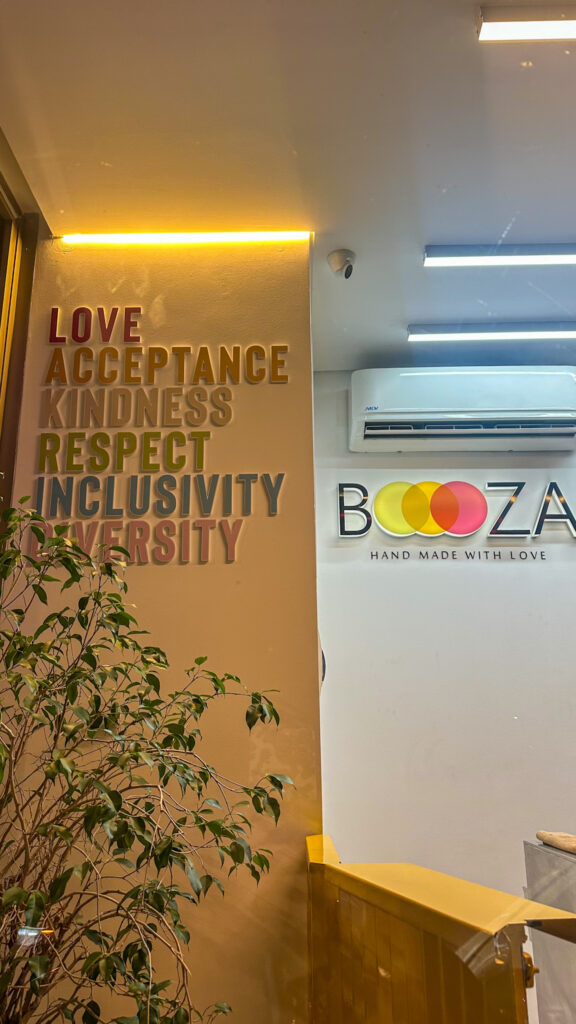
Another common misconception about the Middle East as a whole is that queer people are entirely unsafe here. While that very much depends on the country, and I am not here to dispute the threats the queer community faces just by simply existing, Lebanon is a slightly different story. Though technically not legal, the LGTBQIA+ scene in Beirut specifically is alive and well. It’s not uncommon to find drag shows on weekends, and there are plenty of queer spaces around the city. While I do not want to provide specific details about where these spaces are to protect the community, if you simply ask around, you will quickly learn that Beirut is a LGBTQIA+ safe city.
Power outages
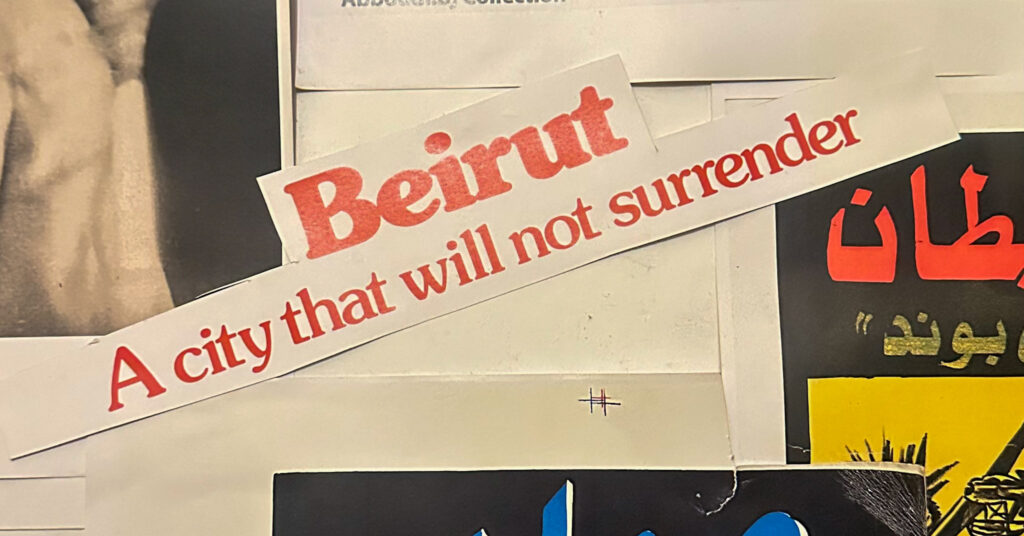
There are signs, both figuratively and literally, around Lebanon that show slivers and cracks of what the country has endured in recent years. One of the most notable ones is the frequent power outages. In Lebanon, power outages or “blackouts” happy several times daily. What exactly does this mean? Well, for about 2-5 minutes at any given time, everything in Lebanon goes black: no lights, no service, no power. This is due to the country’s energy crisis and is nothing new to the Lebanese people. However, after the financial collapse of 2019, the situation has apparently become worse. The power outages last only a few minutes, and after my first one, a voice in the dark said, “Welcome to Beirut.”19–21, the situation became radically worse.
Cash-only society
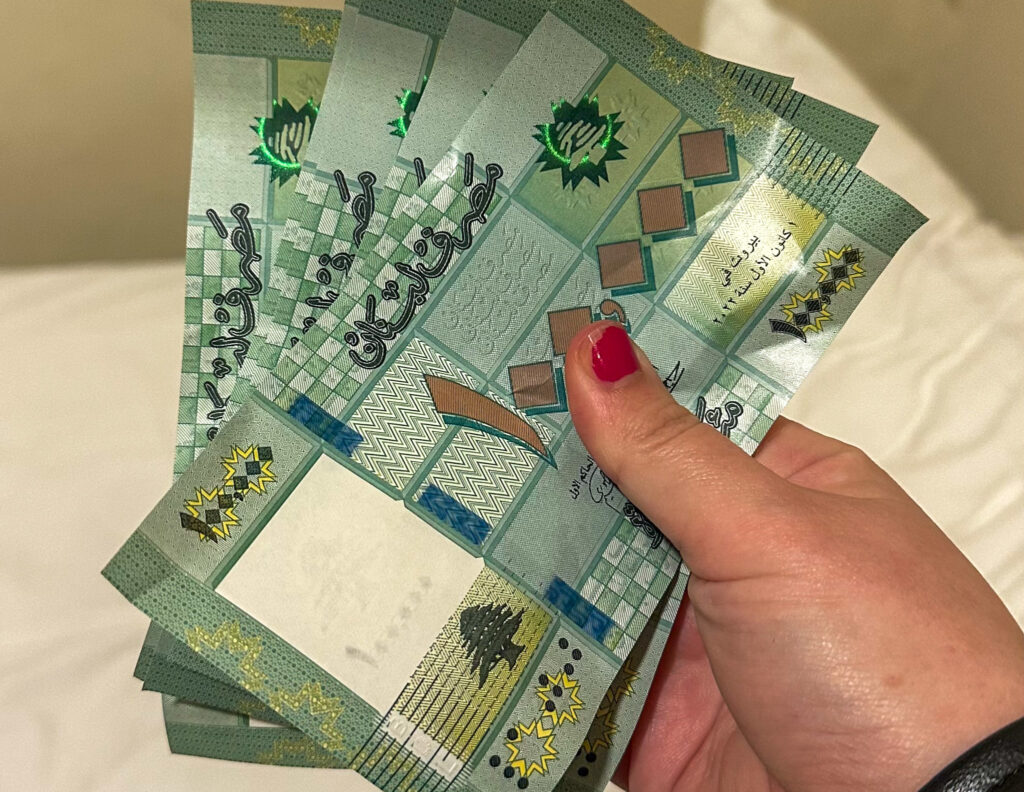
After the 2019 economic collapse in Lebanon, the Lebanese pound (the country’s currency) significantly decreased in value. While that has begun to change now, the preferred currency in the country is US Dollars, though, in my experience, many will still take Lebanese pounds. Not so much about the currency, but about how you pay, is what really matters when traveling to Lebanon.
I cannot emphasize this enough: in Lebanon, cash is king.
You need more cash than you think when traveling throughout Lebanon. Even where I stayed, the Grand Meshmosh Hotel, preferred cash (they did accept card, but there was a surplus fee to use one). At most restaurants in Beirut, cash is preferred, but they will take card if you spend a certain amount. The biggest takeaway from this is to show up in Lebanon with more cash than you think you’ll need, and bring it in US Dollars. Since I was coming from Cyprus, I had some euros on me, and while I was able to use them for my airport taxi, no one else really wanted them beyond that.
ATMs are available in Lebanon and they will dispense US Dollars. However, the fees are higher than anywhere else I’ve seen in the world (for every $100, there’s a $5 fee). Speaking of $100, every ATM I used in Lebanon ONLY dispenses in $100 transactions (so, you could take out $100, $200, $300, etc., but nothing in between). This really bit me in the butt my last day when I owed $18 on my hotel tab and was out of cash, so I had to take out $100 to pay it.
Lesson learned, bring a lot of cash with you to Lebanon, and don’t expect to rely on your card whatsoever.
Internet access and staying connected
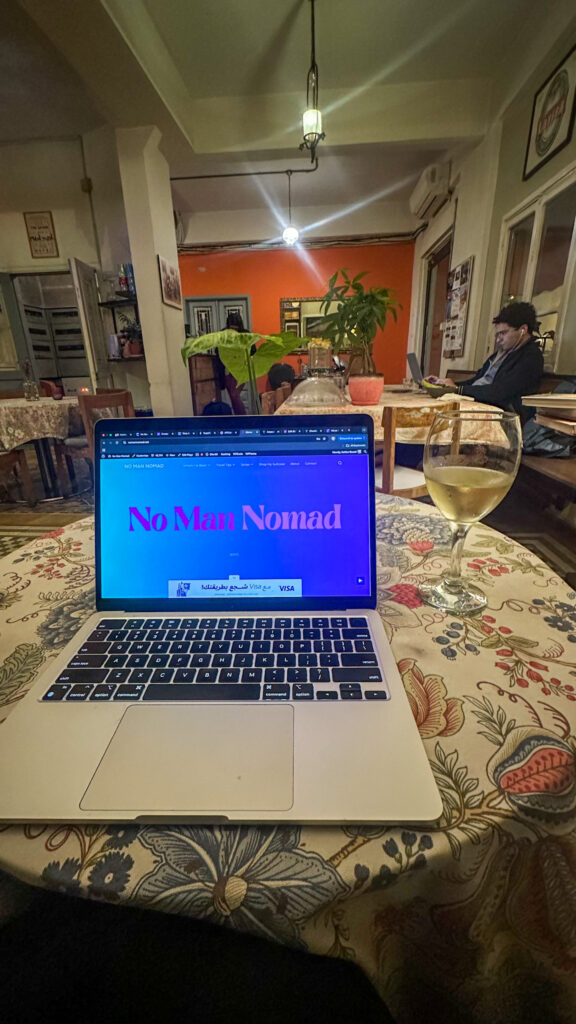
As someone who works from the road, I was slightly concerned about internet access in Lebanon. When I googled prior to entering the country, “What’s the internet like in Lebanon?” I wasn’t left with much hope. However, most establishments throughout the country offer WiFi, and it was strong enough to upload videos and photos to Instagram and send emails with large attachments. While some of that did take a little longer than it would have had I been in New York or Rome, it overall worked fine.
As far as staying connected without WiFi, when I landed in Beirut airport, I received this text from T-Mobile:
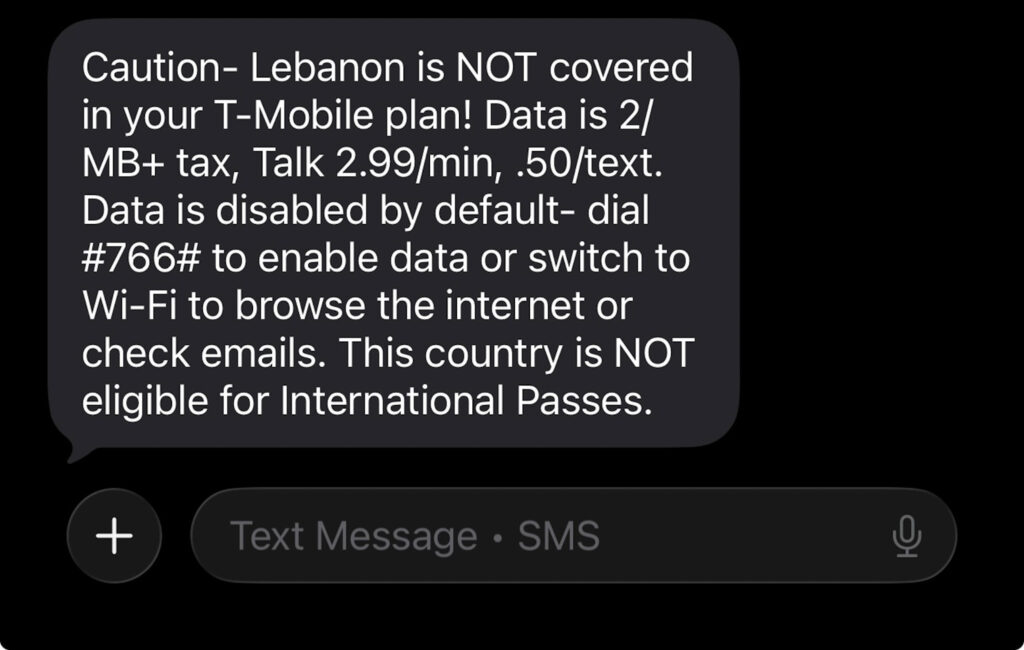
Out of the nearly 100 countries I had visited by the time I made my way to Lebanon, I had never received a text like that (nothing like your first text when landing in a new country beginning with the word “Caution”). This is where an eSIM will come in handy. I used Airalo, which only offer 1GB, but between that and WiFi, I was able to, overall, stay pretty connected when in Lebanon.
Pro-tip: If you download Airalo, use the code KAITLYN3 for $3 off, making your Lebanon eSIM only $6.50.
General “vibe”
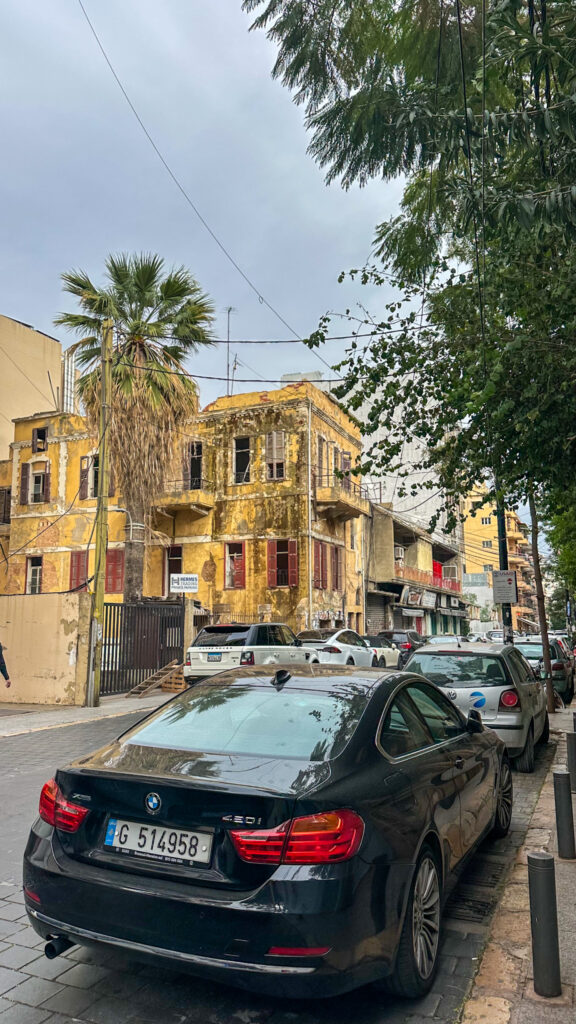
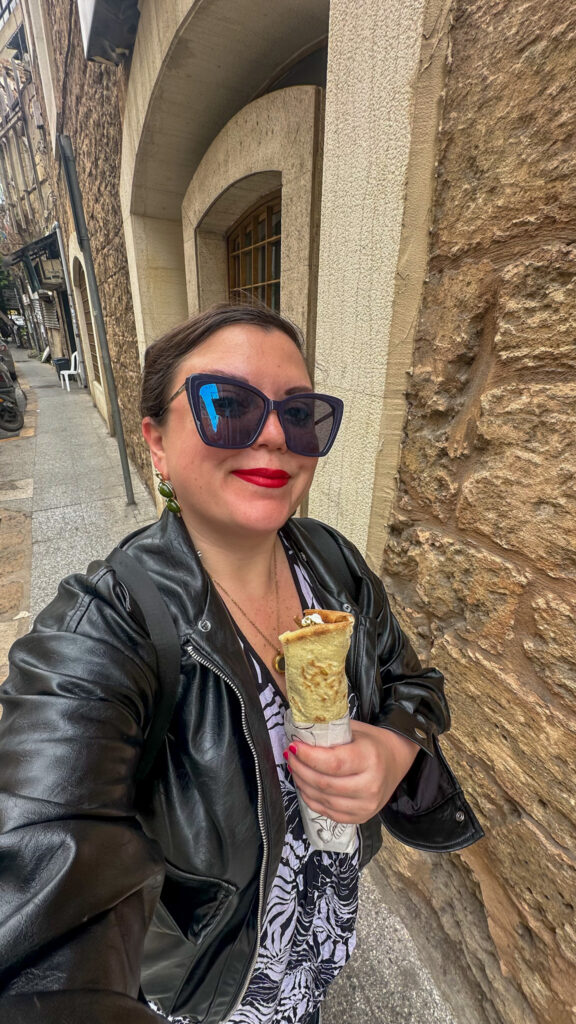
So, what’s it like on the ground in Lebanon? As I mentioned above under “safety,” I was almost peeved off by my second day in Lebanon because of how vastly different it was from what I had seen and read.
The vibe of Beirut is fun and modern. You can find trendy cafes, wine bars, burger and sushi restaurants, and anything you’d find in any major western city. Beirut is a city of contrasts. On one street, you’ll see a vintage thrift store next to a building in ruins. It’s clearly a city that is being rebuilt, and though I hate to use the word “Resilient” (people are only resilient when they absolutely have to be), it’s a pretty fitting word for Beirut. You’ll see USAID signs on the street about how the US helped Beirut prepare after the August 2020 blast while sipping a $5 matcha latte from a plant-laden cafe with strong WiFi. It’s really unlike any other city I’ve ever seen or experienced.
There’s also an area of Beirut full of luxury shops and clean, tiled floors. So, Beirut specifically is not bombed to smithereens and in shambles like you might have seen or heard about on the news. It’s a bustling, lively city full of normal people doing normal everyday things.
With that being said, Lebanon is much more than Beirut, so more on that below.
Beyond Beirut
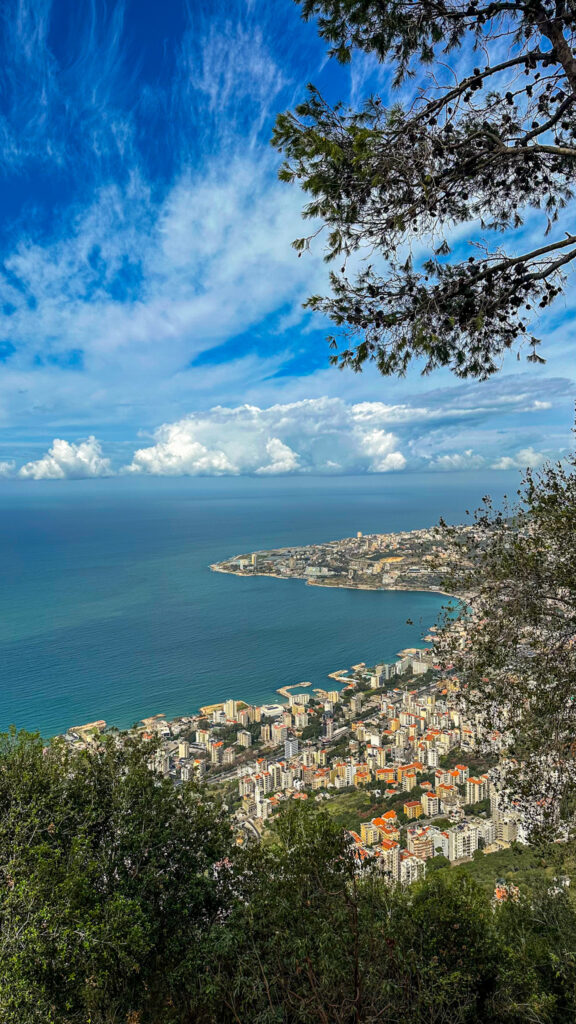
Anyone flying into Lebanon will be flying into Beirut, but what’s beyond the Lebanese capital?
Turns out, a whole lot. Here are a few options of where else to go, with tours out of Beirut linked for each place:
- Jeita Grotto: Did you know there are underground caves in Lebanon? Jeita Grotto is one of the most popular day tours out of Beirut. Located 1,750 meters (nearly 6,000 feet) underground, Jeita Grotto is definitely a cool sight to see, especially if you can explore a little by boat. However, please note, phones are strictly prohibited (they will offer you their phone with a camera for 20 USD, which in my opinion, isn’t worth it).
- Baalbek: My only regret about my time in Lebanon was not making my way to Baalbek. Located in eastern Lebanon, Baalbek is home to some of the world’s largest Roman ruins, standing tall over 30 meters high each.
- Byblos: Byblos is one of the world’s oldest inhabited cities, dating back to nearly 8,000 years. Located directly on the sea, Byblos makes for a charming day trip from Beirut (with great contrast to the bustling capital).
- Batroun: Home to souks, wine tastings, and stunning views of the sea, Batroun is a must-visit for anyone visiting Lebanon. It’s best to spend the night here instead of taking a proper day trip to really enjoy the city. You can easily pair it with a quick trip over to Byblos, too, as it’s just a 15-minute drive.
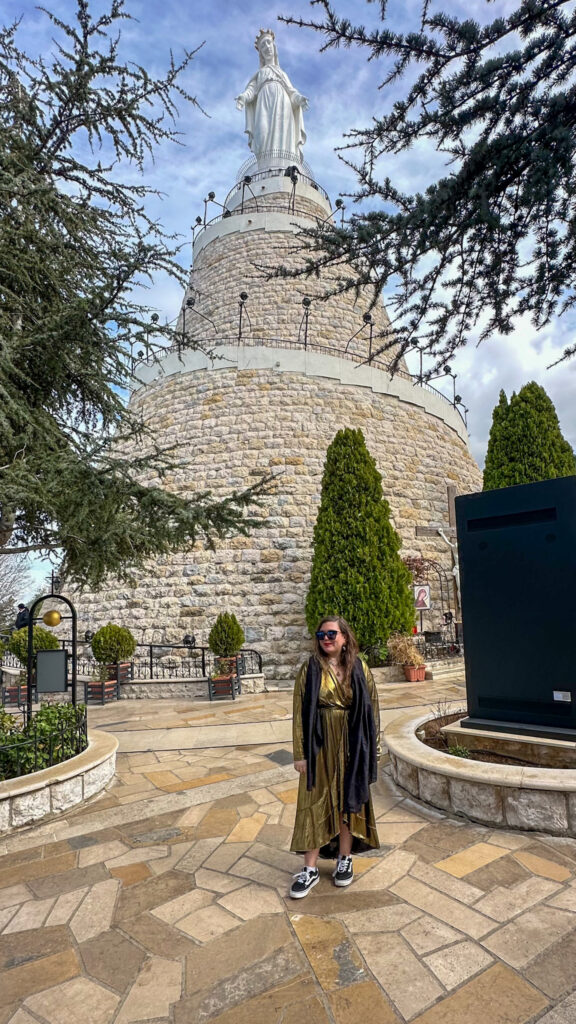
- Harissa: Home to the Lady of Lebanon, Harissa was my favorite stop outside of Beirut. Also located on the sea, the views of the coast from the Lady of Lebanon are pretty spectacular. A common day trip is to book Jeita Grotto, Harissa, and Byblos all in one (which is what I did, and would highly recommend).
- Bekaa Valley: Lebanon is home to plenty of wineries, and the best place in the country to try them is in Bekaa (also sometimes spelled Beqaa) Valley.
How’s the nightlife in Lebanon?
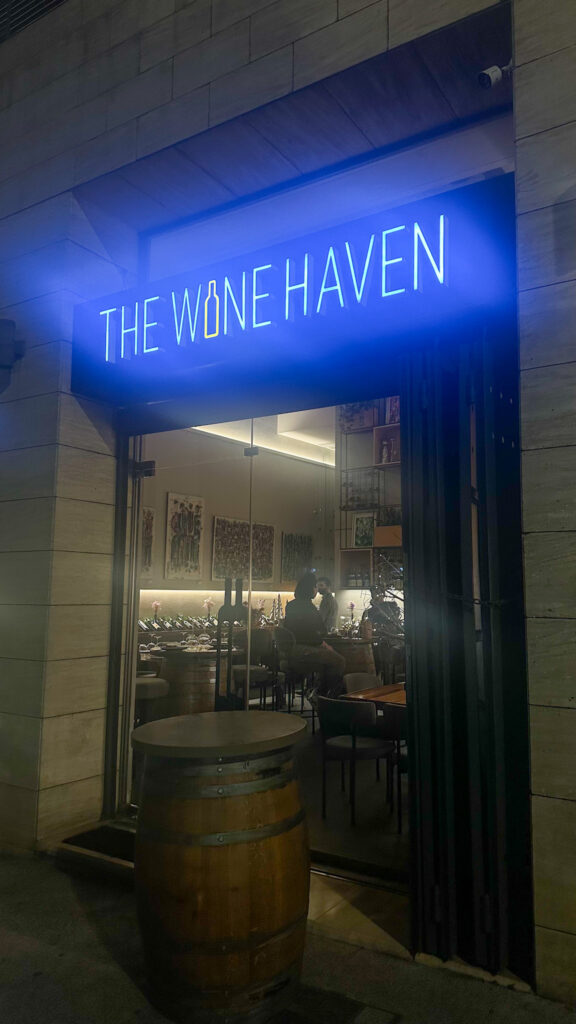
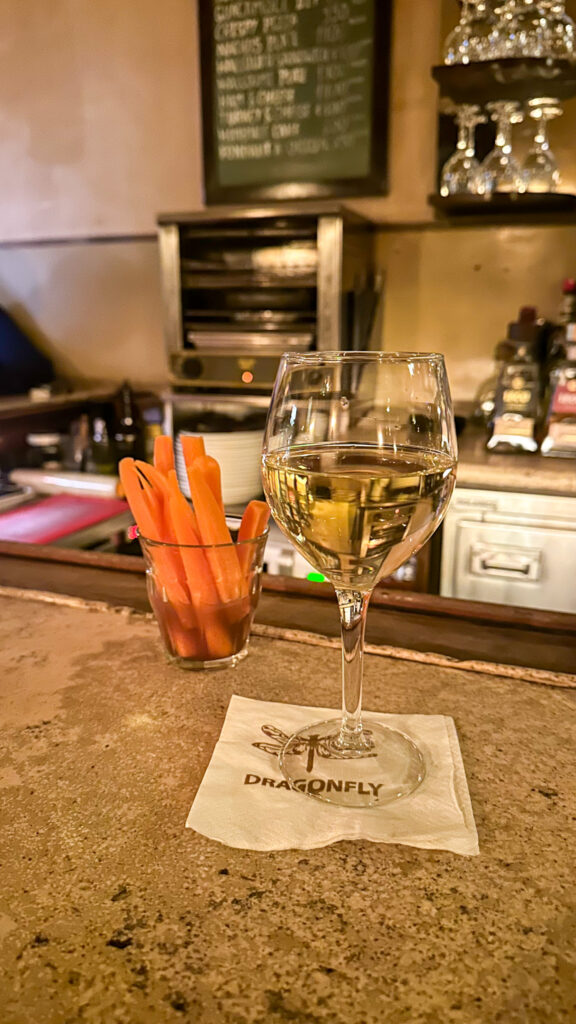
Something I had heard about in Lebanon but had to see to believe was the bustling nightlife. Look, I am not a party girl. I love my several glasses of wine, but nightclubs give me anxiety, and I much prefer to be in bed by 11 p.m. so I don’t ruin the next day, over staying up until the wee hours of the night and into the morning.
However, Lebanon was the exception. While I overall stuck with my rule of thumb of getting a good night’s worth of sleep, I landed in Beirut on a Friday, and walking around at 8 p.m. let me know the city was only just waking up. I popped into a few bars, my favorite being Dragonfly (I love that they gave carrots as a snack with my wine!). As I was walking back to my hotel, I passed a bar whose name has gone unremembered, and heard someone singing with loud music blaring. Slightly inebriated, I decided it was a great time to go inside. The bar was packed, there was a DJ, and at some point, someone bought me a shot of tequila. I was making friends, dancing, and drinking, and it felt sinister to leave by 1 a.m., as the party was clearly in no position to end.
That being said, nightlife in Beirut is extremely fun and lively, even for someone who generally hates crowds and loud noises. If you feel comfortable, I’d recommend going out at least one night in Beirut to experience it.
What is the religion of Lebanon?
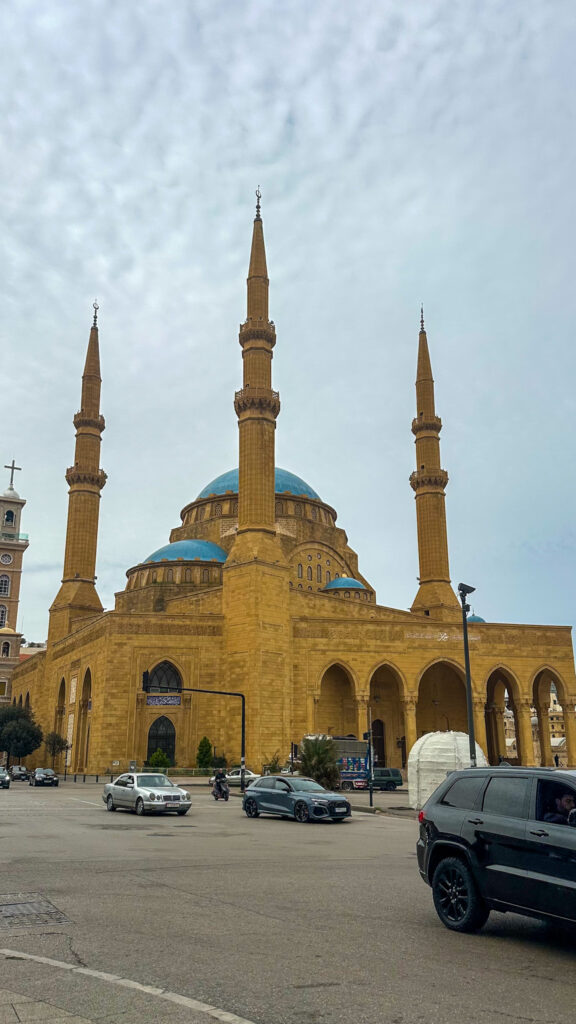
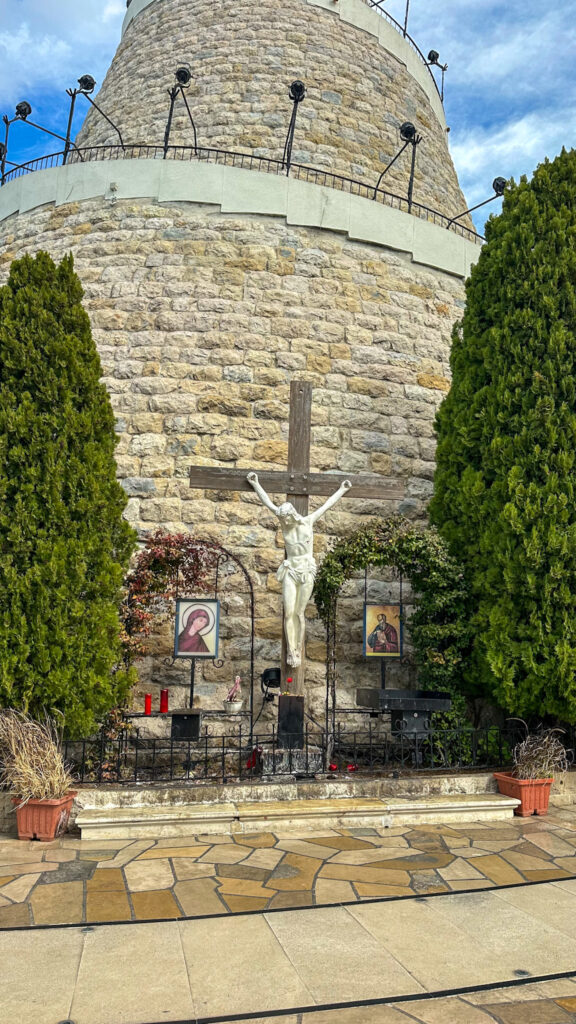
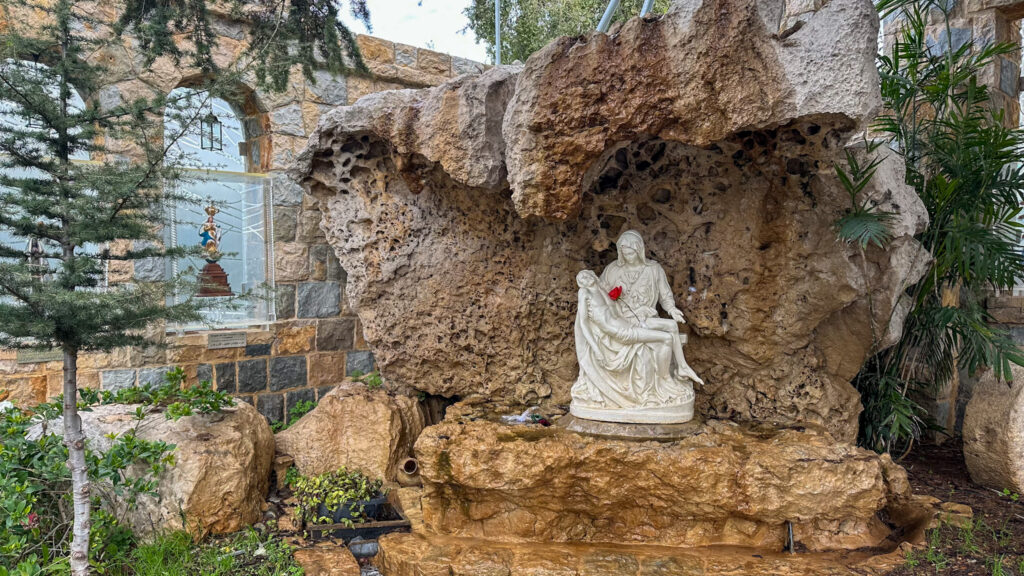
Like everything else, it can be easy to conglomerate Lebanon with the rest of the Middle East and assume Islam is the main religion practiced. Lebanon has a mix of religion, with the two primary ones being Christianity and Islam. Christianity is so profound in Lebanon that there’s even a mini Christ the Redeemer statue, and there’s an embassy for the Vatican (of which there are less than 100 in the world). You’ll see a nice mix of mosques and churches while in the country.
Food and Drink
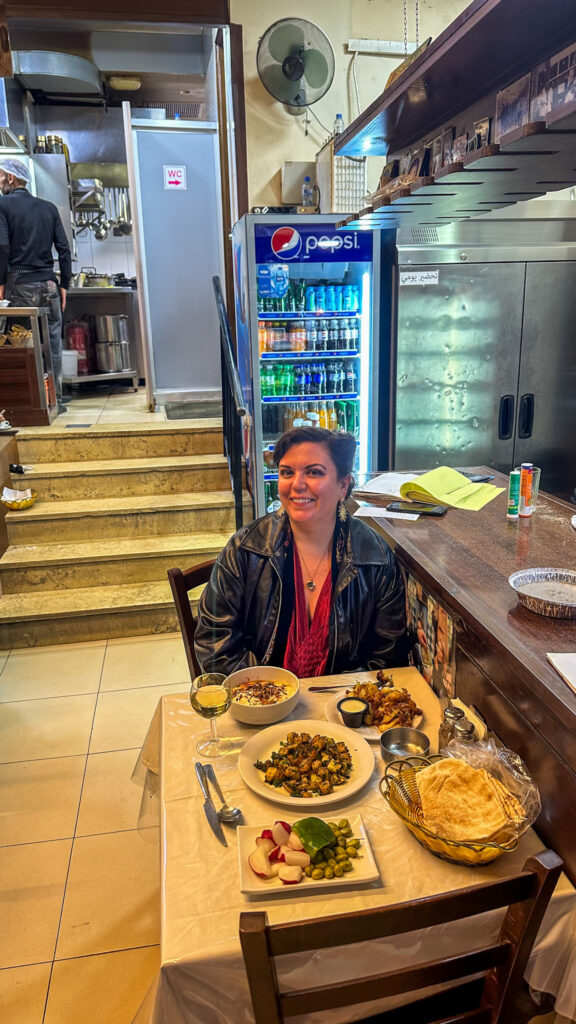
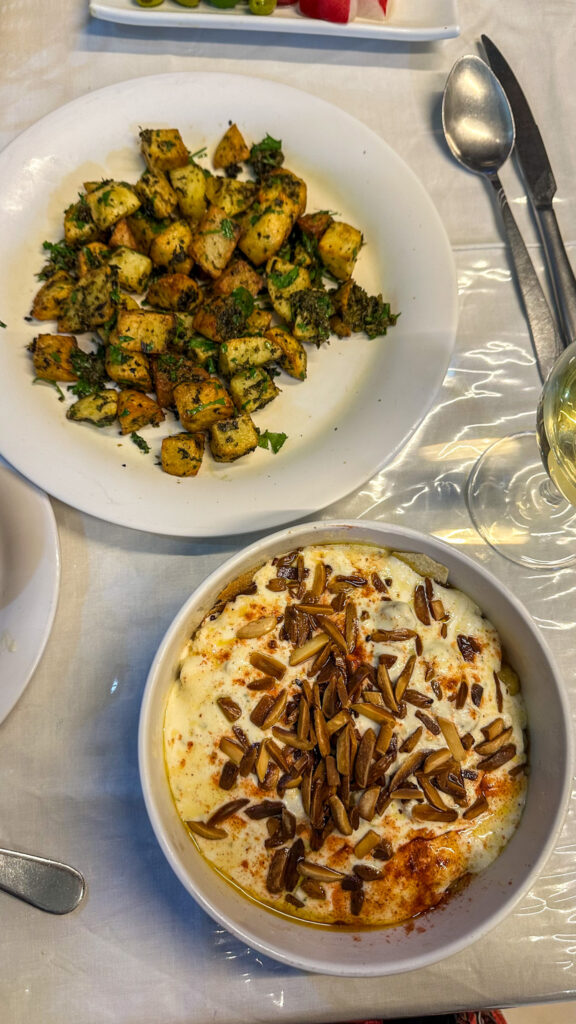
Above the friendly people, vibrant atmosphere, and beautiful landscape, perhaps the most enticing thing about visiting Lebanon is eating Lebanese food. Anytime I mentioned to someone I was interested in traveling to Lebanon, they immediately brought up food. Shortly after landing, I understood why.
Lebanese food is out of this world, with a heavy hand in fresh produce, grilled meats, and nothing but love poured into each dish. I wrote a full comprehensive guide on everything to eat in Lebanon, but for a quick checklist, make sure to try as many (or all) of the following:
- Shawarma
- Kibbeh
- Sfiha
- Manousheh (also called Manoush or Mankeesh)
- Fattoush
- Fatteh
- Hummus
- Toum (toum on everything!)
- Knafeh
- Arayes
As far as alcohol, while when you think of the Middle East, you probably don’t think of booze, Lebanon is home to plenty of wineries (the country exports over 10 million bottles of wine a year). Alcohol is easy to find in the country and is not forbidden by any means.
How to get around
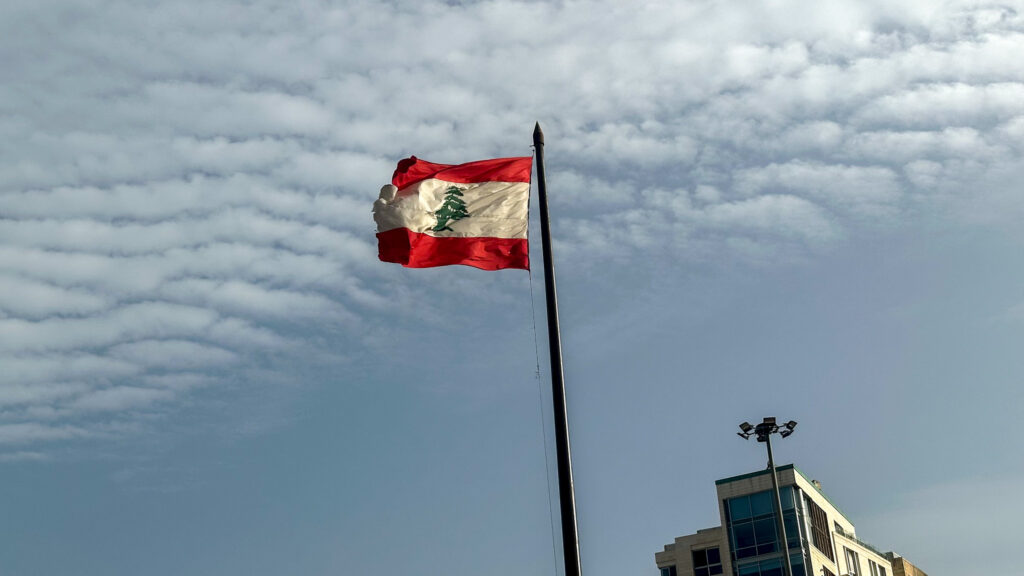
The best way to get around Lebanon is to either hire a driver/taxi or to base yourself out of Beirut and take day tours. Regardless, DO NOT RENT A CAR IN LEBANON. Lebanese are amongst some of the craziest drivers I have ever seen (and local Lebanese people will tell you the same). Traffic in Beirut is nightmarish, and while Lebanon is generally safe, driving here is not.
For example, when I landed in Lebanon, I knew I needed to take a taxi to get to my hotel. There are signs in the airport that the flat rate for a taxi to Beirut is 18 USD. However, it’s easy to get scammed in this scenario, and I was being quoted 30 USD, 25 USD, etc. I finally found someone willing to take me for 20 euros (I only had Euros on me at the time) which is a little more than 18 USD, but was worth it for the headache. I got in his car and went to go put my seatbelt on, and he said, “We don’t do that here, welcome to Lebanon.”
To ensure fair pricing and to also be able to use a card, for my transport back to the airport, I booked a car through GetYourGuide.
Should I learn Arabic before traveling to Lebanon?
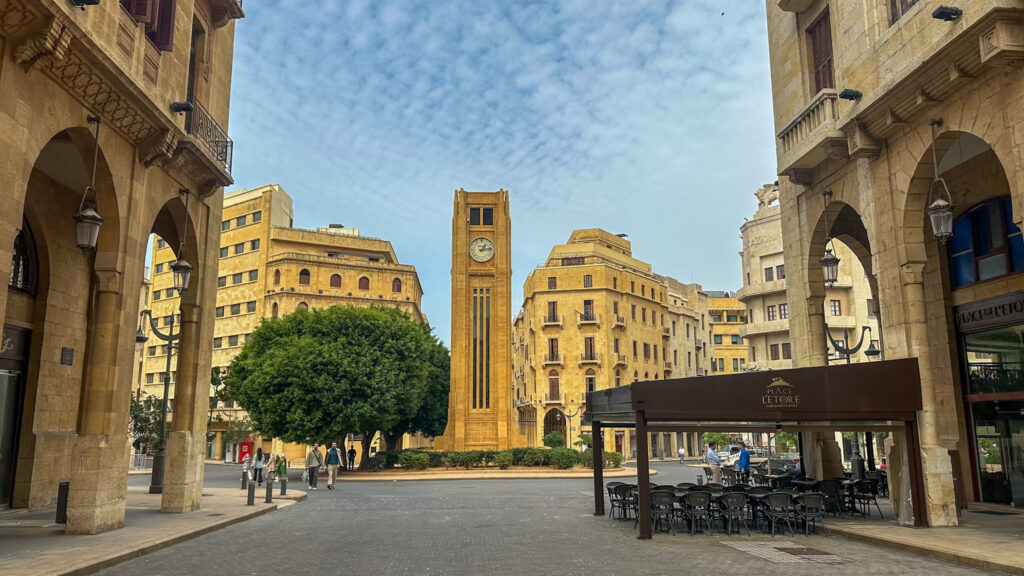
The official language of Lebanon is Arabic, however, in Beirut, many people speak English. That being said, it’s never a bad idea to learn a few key phrases, like, “please,” “thank you,” and “hello!” One of the easiest ways to be a respectful traveler is to assume English will not be the key language and to adjust to the people whose land you’re on.
Travel Insurance
I seldom travel without travel insurance, but I had to make an exception in Lebanon (which is risky!). This is because I mainly rely on my Chase Sapphire Reserve card’s travel insurance which is included with my annual fee, but Chase, like many other major credit card companies, will not cover you if you choose to go to destinations that have a government advisory against them.
It’s not just creditors that don’t cover Lebanon, but many of my go-to reliables don’t either, including World Nomads and Allianz. I urge you to double check this as this can change at any time, and this was just my experience at the time of my travel. My understanding is that Etka offers insurance in Lebanon.
Immigration, visa and passport requirements
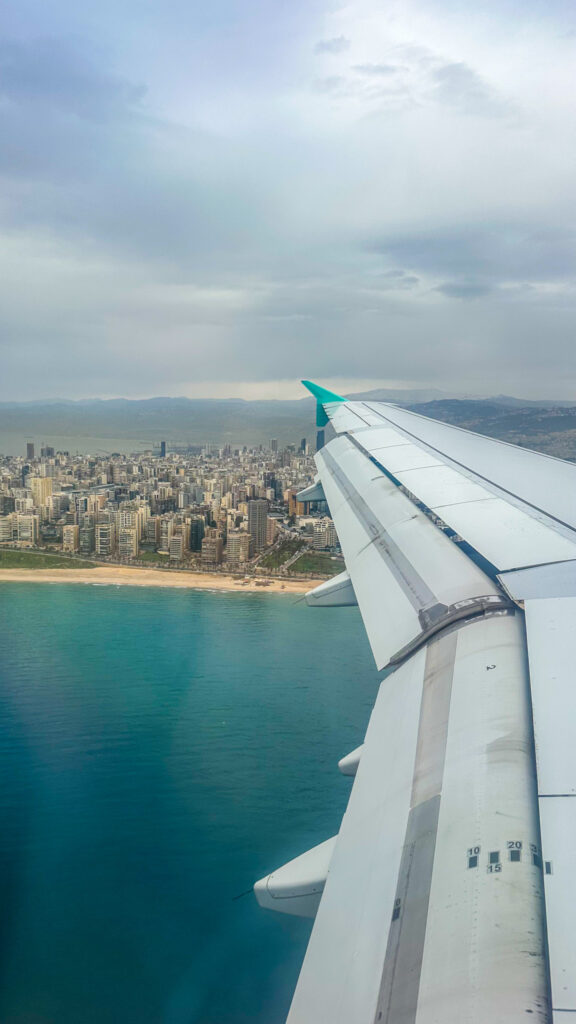
Last but certainly not least, what is immigration like? And what is required for you as a traveler prior to arriving in Lebanon?
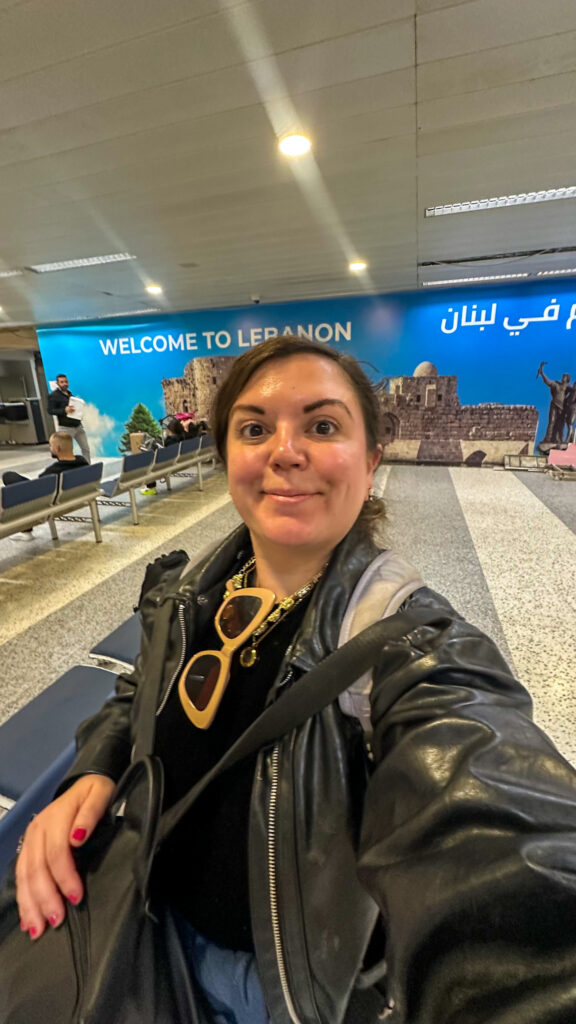
When I landed in Beirut, immigration took their sweet time carefully examining my passport. Why is that? Well, I can’t be sure, but Lebanon will deny you entry if you have any proof of having visited Israel. I believe they were looking for an Israeli stamp, but as someone who has never visited, I was in the clear. They also noticed some stickers on the back of my passport (why immigrations from other countries have put those there is beyond me), and though I can’t understand Arabic, I saw him pointing to the back of my passport and speaking with another immigration officer. I had fear that I was going to be denied entry, but instead, he asked me where I was staying and what day I was departing the country.
Leaving Lebanon, I was questioned as to why I traveled to Lebanon alone. The immigration officer asked if I knew anyone here, and I said no. He asked what the purpose of my visit was, and I said, “To be honest, I came here to eat.” He VERY much liked that answer (I even cracked a smile out of him), and I then told him my only regret was not making enough time for Baalbek. As he stamped me out, he told me I need to come back to see it because it’s amazing. So, yes, immigration can be a little tense, but just be honest and nice, and you will hopefully get through without any problems.
As far as visa and passport requirements, Americans did not need a visa for Lebanon when I visited (February 2026). I always recommend double checking this, though, since this can change for any country, especially one as fickle as Lebanon. Like always, my passport was not within six months of expiring and had enough empty pages to not cause a red flag.
DISCLAIMER: I might make a small commission from some of the links throughout this article, but the price is the same for you. This helps keep my business running so I can continue to provide free travel tips!
